

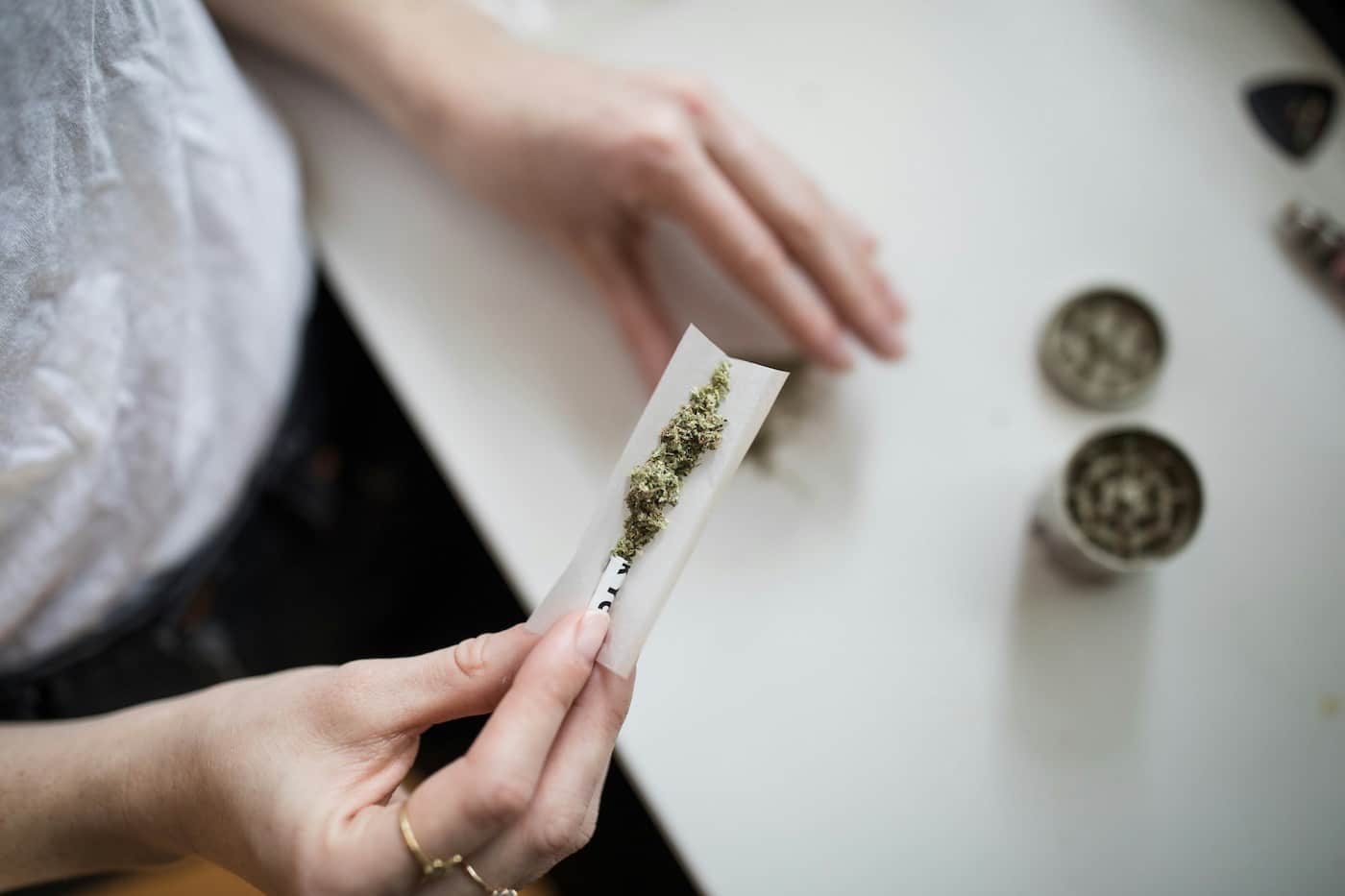
Lawmakers in at least three states have passed legislation in 2026 to significantly increase the amount of marijuana that adults can legally possess.
These expansions of existing state cannabis legalization laws are advancing as part of broader legislation addressing various aspects of marijuana regulatory programs that will change how licensed businesses operate within their markets.
But for everyday consumers, the possession limit increases mean they will be able to buy more marijuana when they go to the store and will be protected from potential criminal penalties for carrying certain amounts of cannabis.
Illinois lawmakers, for example, passed omnibus cannabis legislation earlier in June that would allow residents of the state who are over 21 years of age to possess up to 60 grams of marijuana flower—double the amount in current law. They will also be able to have up to 10 grams of cannabis concentrates and infused products with up to 1,000 mg of THC—also double the current limit.
Possession amounts for adult non-residents would also be doubled under the bill.
Aside from numerous other proposed changes to rules for marijuana and hemp businesses that are included in the legislation, SB 3222 would also allow people with convictions for possession of up to 60 grams of marijuana to have those records expunged—double the current cutoff, allowing only those with convictions for up to 30 grams to be eligible.
The bill cleared the Senate and House of Representatives and now awaits action from Governor JB Pritzker (D), who in 2019 signed the state’s marijuana legalization policy into law.
“Fortunately, legalization states are increasingly recognizing that low possession limits unnecessarily ensnare residents in the criminal justice system.”
In Vermont, lawmakers similarly approved a large-scale cannabis regulatory reform bill, S. 278, that doubles the current possession limit to up to 2 ounces of marijuana or 10 grams of hashish.
The measure was approved by both chambers of the legislature in May and is headed to the desk of Gov. Phil Scott (R), who in 2018 signed a bill to legalize marijuana possession and home cultivation, and then allowed subsequent legislation to legalize commercial cannabis sales to take effect without his signature in 2020.
In April, Massachusetts lawmakers passed, and Gov. Maura Healey (D) signed, a bill that broadly restructures how cannabis is regulated in the state. It includes a provision increasing the personal possession limit for marijuana from 1 to 2 ounces.
Colorado, which was among the first states to legalize marijuana in 2012, enacted legislation to double its legal cannabis possession limit from 1 ounce to 2 ounces in 2021.
Karen O’Keefe, state policies director for the Marijuana Policy Project, said the recent trend of states moving to let adults carry more cannabis without the fear of criminalization is a positive development.
“We applaud lawmakers for treating adults like adults when it comes to cannabis. A core purpose of legalization is to stop punishing adults for using a plant that is safer than alcohol,” she told Marijuana Moment. “Fortunately, legalization states are increasingly recognizing that low possession limits unnecessarily ensnare residents in the criminal justice system.”
“Restrictive possession limits also prevent consumers from buying in practical quantities,” O’Keefe said. “When cities and towns opt out of legal sales, it can be a long trek to the nearest dispensary. Raising possession limits allows adults to stock up responsibly, saving them time and money on gas.”
Photograph by Thought Catalog on Unsplash
This story was originally published by Marijuana Moment, which tracks the politics and policy of cannabis and drugs. Follow Marijuana Moment on X and Facebook, and sign up for its newsletter.