

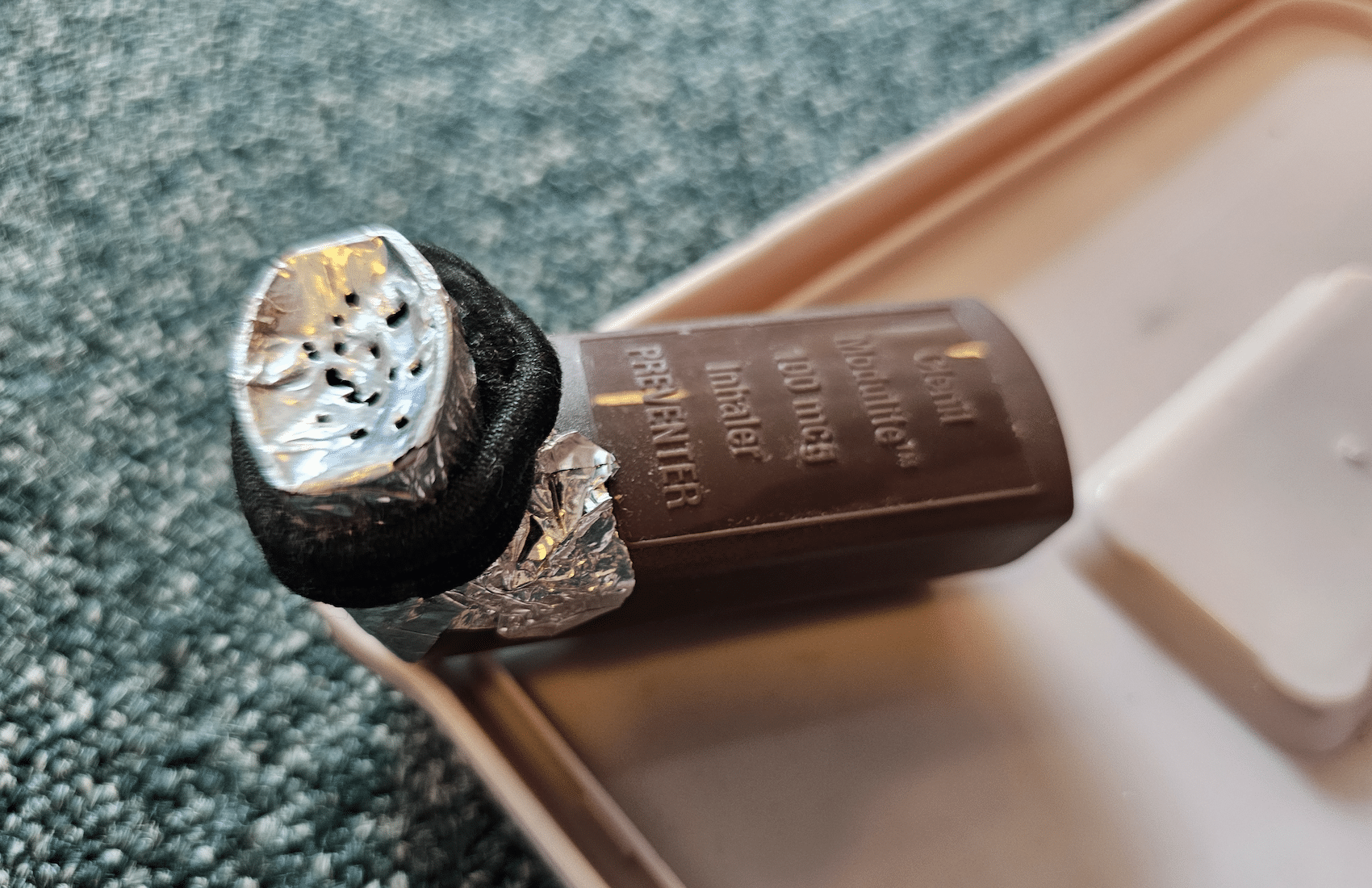
In the United Kingdom, the Misuse of Drugs Act outlaws the distribution of any materials used for “administering or preparing controlled drugs.” Over the years, harm reduction activists have secured some exemptions to the law, but distributing safer smoking equipment remains illegal.
A new study published in Harm Reduction Journal highlights the health risks of this policy. Surveys with over 700 English people who smoke crack cocaine reveal that one-third have been hospitalized for respiratory illness, and the majority have recently experienced respiratory issues. Follow-up interviews indicate that people having to resort to homemade smoking devices contributes greatly to these startling figures.
“It was a bit of a risky study. How do you generate evidence about something that’s not within the law?”
The data come from the Safe Inhalation Pipe Project (SIPP), led by Dr. Magdalena Harris of the London School of Hygiene & Tropical Medicine. SIPP provided safer smoking kits in six locations across England to evaluate their impact on drug-user health.
“It was a bit of a risky study,” Harris told Filter. “How do you generate evidence about something that’s not within the law?”
Harris and her team overcame this “catch-22,” as she described it, by obtaining temporary police approval. They also received a generous donation of pipes from Exchange Supplies, since government research funding could not be used to fund the intervention.
While analysis of SIPP’s impact is still in progress, data from the baseline phase of the study document clear respiratory health issues among people who smoke crack in the UK.
“Looking at the baseline survey data from 733 people, 60 percent of them … had respiratory symptoms within the last 28 days,” Harris said. “In terms of hospitalization, 31 percent had been hospitalized for a respiratory condition ever. And diagnoses are really high—31 percent have been diagnosed with asthma, and 12 percent have been diagnosed with COPD.”
She also warned that even these high figures are likely underestimates, due to this population’s relatively limited access to medical care.
“We know that COPD is really underdiagnosed in this population,” Harris noted. “So if 12 percent have been diagnosed, I’m sure there’s a lot more undiagnosed, particularly given the high [prevalence of] symptoms.”
“People would often start out with tin cans.”
In addition to the survey questions about respiratory harms, Harris and her team also conducted 33 in-depth interviews with participants, asking them to share their strategies for making their own pipes in the absence of safer supplies.
“People would often start out with tin cans,” Harris said. Other common materials included miniature liquor bottles, asthma inhalers, umbrella handles, naloxone syringes and disposable vapes.
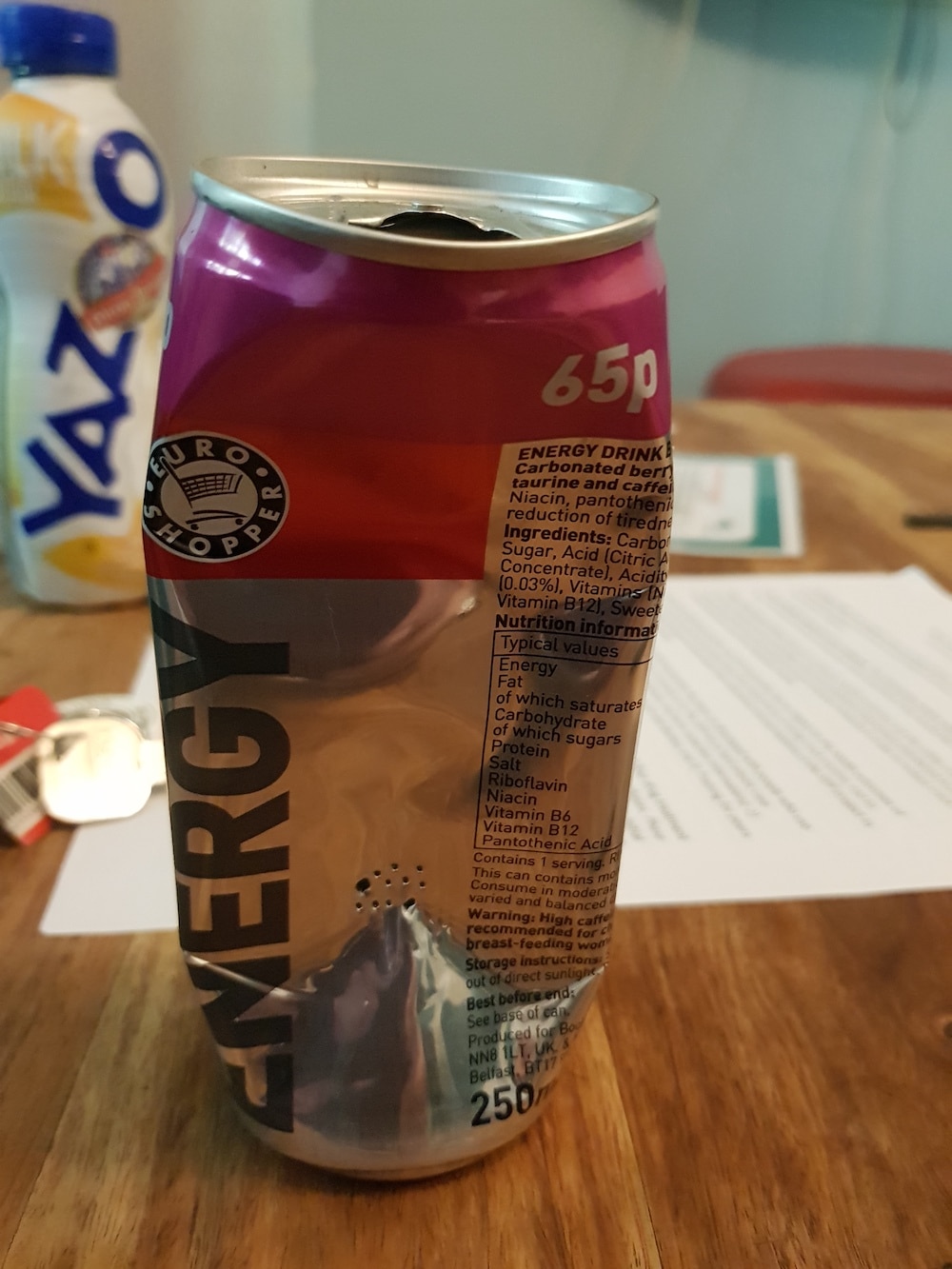
A tin can pipe, which Harris noted can be made “in less than a minute”
While these approaches were innovative, they also tended to be dangerous. Plastic containers, for instance, release toxic chemicals when heated or scraped for valuable residue, while certain glass containers cause severe burns and cuts.
“One of the biggest issues in terms of respiratory harm with homemade pipe use is unsafe suspension devices,” Harris said. When smoking out of tin cans, for example, people tend to place their crack on top of ash. “The issue there is that you’re inhaling a lot of ash, which is really bad for your lungs.”
“[People] talk about burns to their lips or their tongue. But … there’s also the impact of inhaling that hot vapor on their lungs or on their esophagus.”
Other popular suspension materials included stainless steel scrubber (also called “steel wool”), which quickly breaks apart into inhalable metal fragments, and small metal bolts, which reach scalding temperatures. Since stimulants like cocaine have numbing effects, the damage caused by these high temperatures is often greater than people are able to perceive.
“[People] talk about burns to their lips or their tongue,” Harris said. “But then what they’re probably not realizing is that there’s also the impact of inhaling that hot vapor on their lungs or on their esophagus.”
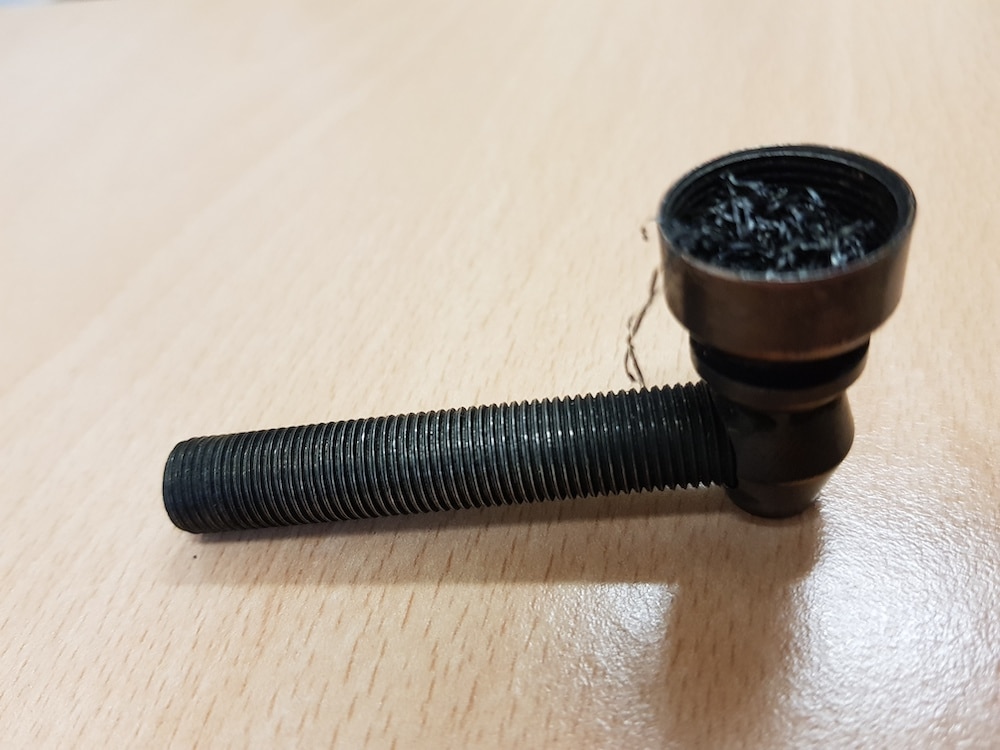
A repurposed metal cannabis pipe, which may cause severe burns
To mitigate use of these homemade alternatives, SIPP provided study participants with pipes made of heat-resistant glass and a more robust suspension material. However, not all participants preferred these safer, purpose-built pipes.
“We collated all of that participant information and took it back to Exchange Supplies and … developed a better pipe.”
“[T]he filter was too dense—it was a good, steel filter made specifically for using crack, but it was just too dense for people,” Harris said. “So what we were seeing is that often people might throw it away and go back to using stainless steel scrubber or whatnot.”
Many people were also unhappy with the size of the pipe and its carrying case, preferring a thinner, more discreet option.
“We collated all of that participant information about the pipes and took it back to Exchange Supplies and … developed a better pipe,” Harris said. “That was a really nice output of the study—something practical that reflects the participants [and] their preferences.”
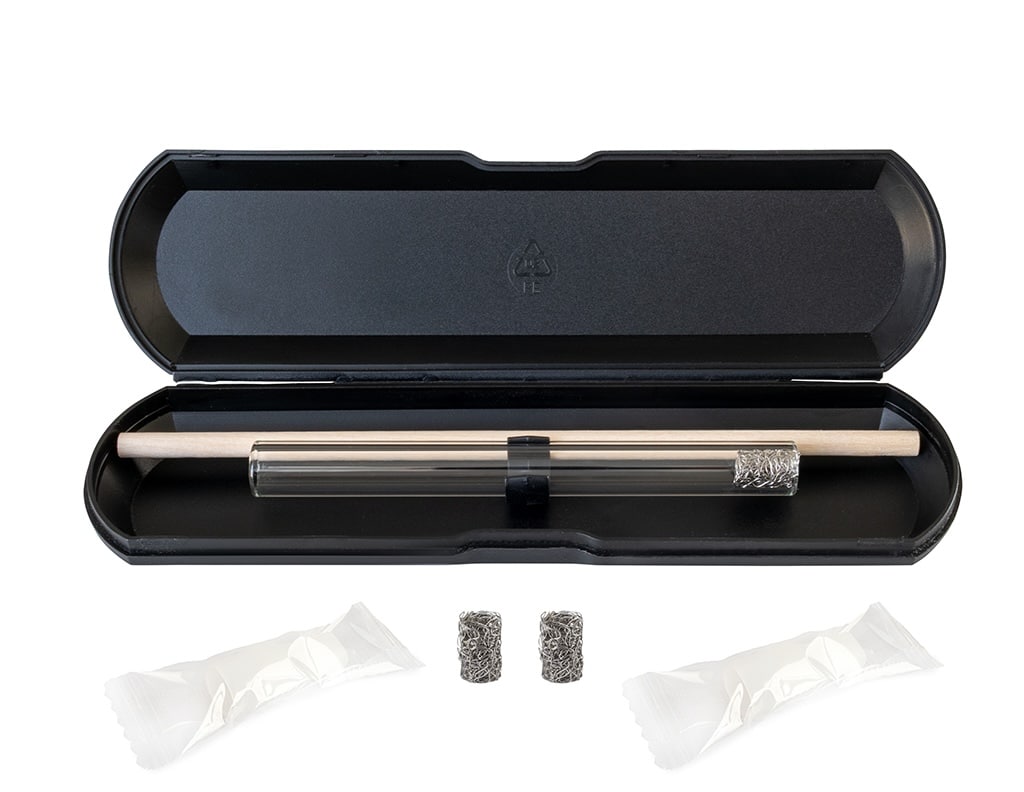
The new pipe kit, redesigned based on SIPP participants’ feedback
While SIPP is based in the UK, the challenges it’s addressing are global. Many countries continue to crack down on pipe distribution, including the United States, where modest efforts to provide safer smoking supplies under the Biden Administration were met with political outcry.
Harris hopes that SIPP will provide an evidence-based perspective on how pipe distribution can impact the health of people who smoke stimulants. The final results—which will compare this baseline data to new surveys collected six months after the intervention—are still in progress, but preliminary evidence suggests positive effects.
“Our impact evaluation has shown reductions in crack pipe sharing, injecting of any drug, use of homemade pipes and use of ash as a suspension device,” Harris said. “This is a very positive outcome, with longer-term implications for reducing respiratory and injecting-related health harms.”
All photographs courtesy of Magdalena Harris