

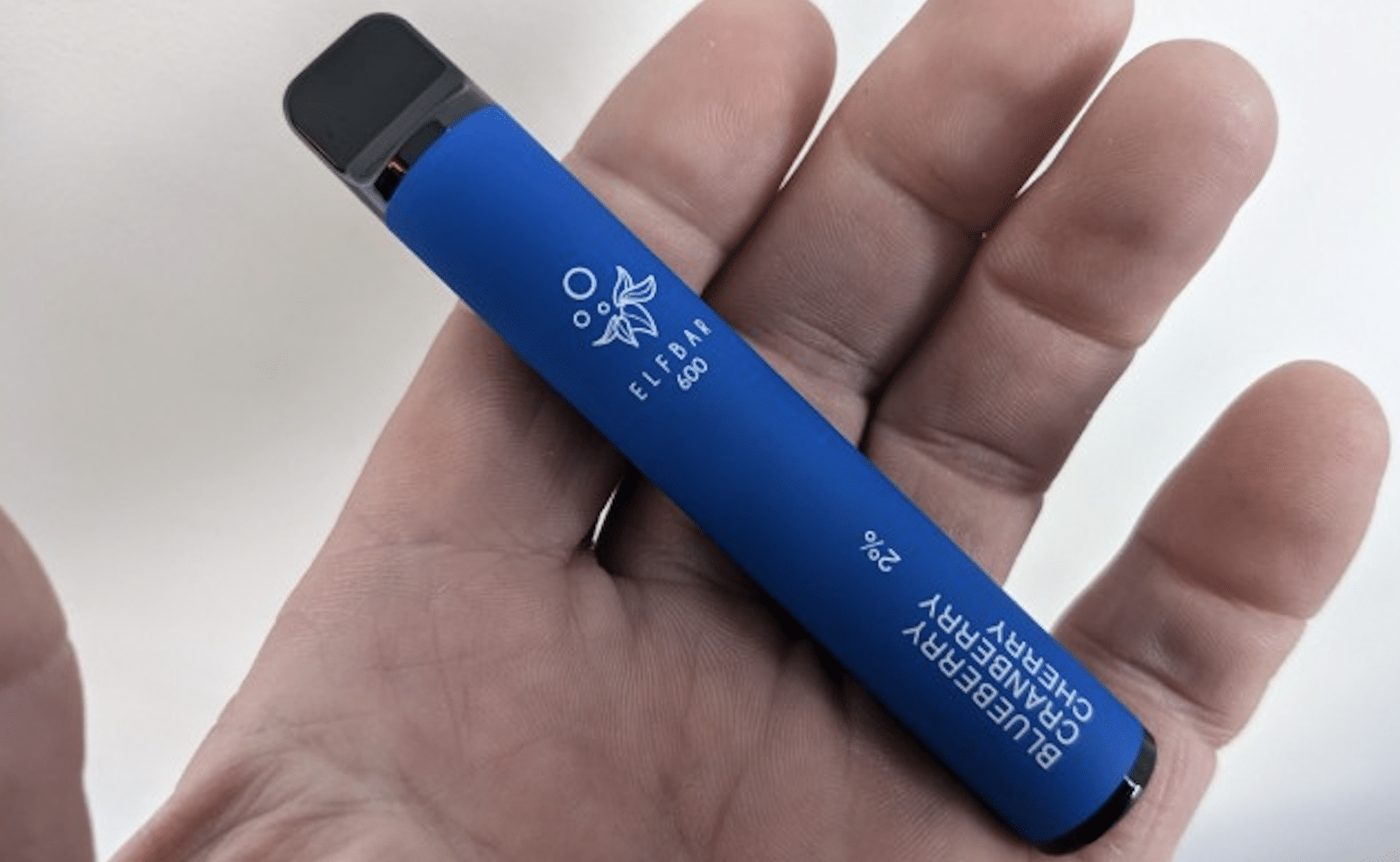
Ireland is banning disposable vapes, which are a low-barrier entry point to vaping for many people who switch from cigarettes. It’s the latest in a series of political moves against tobacco harm reduction in the country in recent years—and looks unlikely to be the last.
The Public Health (Single-Use Vapes) Bill 2025 completed Ireland’s parliamentary process at the Oireachtas on July 7. It currently awaits the signature of President Catherine Connolly, which is expected to be a mere formality. Retailers will be given a six-month period to shift existing products, with the new law taking full effect in January 2027.
“By banning single-use vapes, we are helping to prevent nicotine addiction before it starts and creating a cleaner environment for everyone,” said Health Minister Carroll MacNeil, echoing talking points that have driven disposable vape bans in countries such as the United Kingdom.
The new ban is only part of Ireland’s wider crackdown on nicotine vapes. In 2025, for instance, the country imposed the European Union’s highest tax rate on e-liquids.
Meanwhile, the Public Health (Tobacco Products and Nicotine Inhaling Products) (Amendment) Bill 2026, introduced earlier in the year, seeks to further restrict safer nicotine products that have helped millions quit smoking. Ireland’s smoking rate of about 18 percent remains vastly higher than the government’s target of below 5 percent—which it was supposed to reach by 2025.
“This now looks certain to go through, with little pushback from the opposition.”
That bill would limit vape flavors to tobacco or unflavored e-liquids only. It would additionally restrict colors and imagery on devices and packaging, and ban retail outlets from advertising nicotine products, among other measures. It would give ministers the power to regulate flavor descriptors and to amend the law to cover any future nicotine products.
Having recently passed the lower house, the bill is due to be debated in the upper house, the Seanad, later in July. An EU notification process would need to be completed before it can be enacted, but the government plans for it to take effect before the end of 2026.
“This now looks certain to go through, with little pushback from the opposition apart from [political party] Sinn Fein,” Tom Gleeson, a trustee of the New Nicotine Alliance Ireland charity, told Filter.
“This move by the health minister will result in the first minister for health to leave office with a higher rate of smoking than when they took office,”said Gleeson, who credits vapes with helping him quit smoking. “Given the clear evidence that restrictions on reduced-harm products benefit smoking, it’s puzzling that they are willing to take that risk.”
“The lack of support for vaping from our health bodies has already reduced the impact of safer products on smoking rates,” he continued, “with Ireland lagging behind places like our close neighbors in the United Kingdom.”
In the UK, most people who quit smoking do so with the help of vapes. Though politicians there have also turned against tobacco harm reduction in recent years, the country has a prior track record of embracing it. The UK now has a significantly lower smoking rate than Ireland, and Brits are more likely to vape than to smoke.
Dr. Garrett McGovern, an Irish addiction medicine specialist and tobacco harm reduction advocate, told Filter that “flavors are an essential component of helping smokers quit”—an assertion that’s supported by substantial evidence.
“They have not considered the unintended consequences: increased smoking rates across the age spectrum and a burgeoning illicit market.”
McGovern described the current bill as a “missed opportunity.” It makes the assumption, he continued, that a “so-called youth epidemic” of vaping entails harms that are somehow comparable to those caused by cigarettes. This is not true.
In reality, McGovern said, “youth e-cigarette use is experimental, transient and in the vast majority of cases unproblematic, and not a gateway to cigarette smoking. Despite this, policymakers have decided that vaping is the enemy and needs to be eradicated.”
The Healthy Ireland Survey 2025 found that 50 percent of Irish people who vape formerly smoked and have now quit combustible tobacco entirely. Another 33 percent vape and smoke—so-called “dual use,” which typically involves reducing the number of cigarettes smoked, and is often part of a journey to complete smoking cessation.
Just 17 percent of people who vape in Ireland have never smoked—and even with them, there’s the question of what they would be doing if vapes weren’t available, given evidence of “common liability” to both vaping and smoking.
When the most effective smoking-cessation aids are made not only more expensive but less visible and less enjoyable, advocates say that damaging outcomes are inevitable.
“They have not considered the unintended consequences: increased smoking rates across the age spectrum and a burgeoning illicit market to fill the void left by the unregulated one,” McGovern said.
Photograph (cropped) by Ecig Click via Flickr/Creative Commons 2.0