
Support for legalizing the use of psychedelics might relatively low today, according to a new survey from the RAND Corporation, but public opinion on the issue seems be closely following in the footsteps of the marijuana reform movement before the first states started enacting cannabis legalization.
As more states and localities, as well as Congress, see momentum around psychedelics reform, the poll released on February 24 shows that adults in the United States are currently feeling relatively tepid about the prospect of expanding access to hallucinogenic substances. However, there’s reason to believe that could change dramatically in the years to come, if cannabis-related polling is any indication.
For now, just 23 percent of respondents said that psilocybin mushrooms should be legal, and even fewer (around 10 percent) expressed support for legalizing LSD or MDMA. By contrast, RAND’s data reaffirm that there’s strong majority support (65 percent) for the legalization of marijuana.
“Support for the legal use of psilocybin mushrooms is similar to what it was for cannabis in the mid-1990s—just before state medical cannabis laws started to be implemented.”
Of course, it’s relatively early in the push for psychedelics reform. And a look at the public opinion trajectory for cannabis may offer a window into what’s to come.
“Support for the legal use of psilocybin mushrooms is similar to what it was for cannabis in the mid-1990s—just before state medical cannabis laws started to be implemented,” the poll found, with authors adding that it’s “unclear whether psilocybin will follow a similar trajectory in terms of public opinion or policy changes.”
The think tank said there are “some reasons” that could explain the trend. For example, one could better understand the current sentiment toward psychedelics in the context of how opinions shifted around marriage equality.
“From 1995 to 2016, public support for legalizing marijuana rose in tandem with support for same-sex marriage,” it said. “This suggests that both shifts may have been driven by broader, time-specific increases in socially liberal attitudes rather than by issue-specific factors. If that period reflected a unique generational or cultural moment, the same underlying forces might not be present in the near term.”
Support for legalizing psilocybin was high (62 percent) among those who’ve used the psychedelic. Similarly, 80 percent of adults who’ve used marijuana are in favor of the plant’s legalization.
“When respondents were asked about reasons for allowing legal use, addressing a mental or physical health condition is the most endorsed reason.”
Only 42 percent of those who support the legal use of psilocybin say that adults should be able to use it for any reason, while 56 percent say it should be allowed for medical purposes. Overall, just over 10 percent of respondents said psilocybin should be allowed for any use; for LSD and MDMA, that drops to under 10 percent, and support for the medical use of the three psychedelics is all under 30 percent among the general public.
“When respondents were asked about reasons for allowing legal use, addressing a mental or physical health condition is the most endorsed reason for psilocybin, LSD, and MDMA,” the survey found. “When respondents were asked where adults should get psilocybin mushrooms if they were legal, using them at a medical facility under supervision is the most endorsed option (49 percent). About 28 percent endorse getting psilocybin mushrooms from a dispensary, and 23 percent endorse allowing adults to grow or forage for personal use.”
“Among the three psychedelic substances that our policy questions focused on (psilocybin mushrooms, LSD, and MDMA), psilocybin mushrooms had the most support among US adults when asked a simple question about its legality and when asked more-detailed questions about reasons for use and potential sources of supply,” RAND said. “These findings may not be surprising considering that psilocybin mushrooms are the most-used psychedelic substance among US adults.”
“Among the three psychedelic substances that our policy questions focused on, psilocybin mushrooms are also the most commonly included psychedelic substances in state and local policy initiatives in the United States,” it said.
The survey, conducted by the National Opinion Research Center (NORC) at the University of Chicago, involved interviews with 10,122 US adults from September 9 to October 1, 2025. The margin of error was +/-1.33 percentage points.
RAND researchers separately released data in January showing that nearly 10 million US adults microdosed psychedelic substances in 2025.
“To the best of our knowledge, the 2025 RPS is the first probability-based and nationally representative survey to examine policy preferences for individual psychedelic substances rather than asking about the entire class of psychedelics,” RAND said.
Meanwhile, RAND researchers separately released data in January showing that nearly 10 million US adults microdosed psychedelic substances such as psilocybin, LSD or MDMA in 2025.
The results of the RAND Corporation survey indicated that microdosing—which involves ingesting a small amount of a drug to improve mood and well-being without experiencing hallucinations or a full-scale trip—is a popular practice in the US, despite the recent polling that shows limited support for broader legalization of psychedelics.
The latest results are a follow-up to an earlier report RAND issued in 2024 that made the case that “now is the time” for federal policymakers to decide how to regulate psilocybin and other psychedelic substances.
Despite federal prohibition, that report noted, since 2019 more than two dozen localities have deprioritized the enforcement of laws around psychedelics, “generally making it a low or the lowest priority for law enforcement officials.” Voters in Oregon have also legalized supervised use of psilocybin, while Colorado voters legalized not only facilitated psilocybin use but also personal possession and production of psilocybin, DMT, non-peyote mescaline and other psychedelics.
Now is the time for federal policymakers to decide what they want these supply models to look like and to start taking action,” the RAND report said. “Or, if they prefer a patchwork of state policies—possibly including those that allow for commercial supply and promotion—they can do nothing and just watch the industry grow.”
“If that happens,” it added, “it can be difficult to make major changes to supply or regulations, but that will depend on the size and political power of the industry that has taken root.”
The RAND Corporation, which is funded in large part by the US government, is a nonprofit think tank and public consulting firm that’s helped advise policymakers on various issues. In 2021, for example, it released a government-funded report concluding that past cannabis use had relatively little impact on US Army recruits’ overall performance.
Researchers at RAND also contributed to a 2018 report that found that past-month marijuana consumption decreased by a small but statistically significant amount among 8th and 10th grade students in Washington State following legalization there.
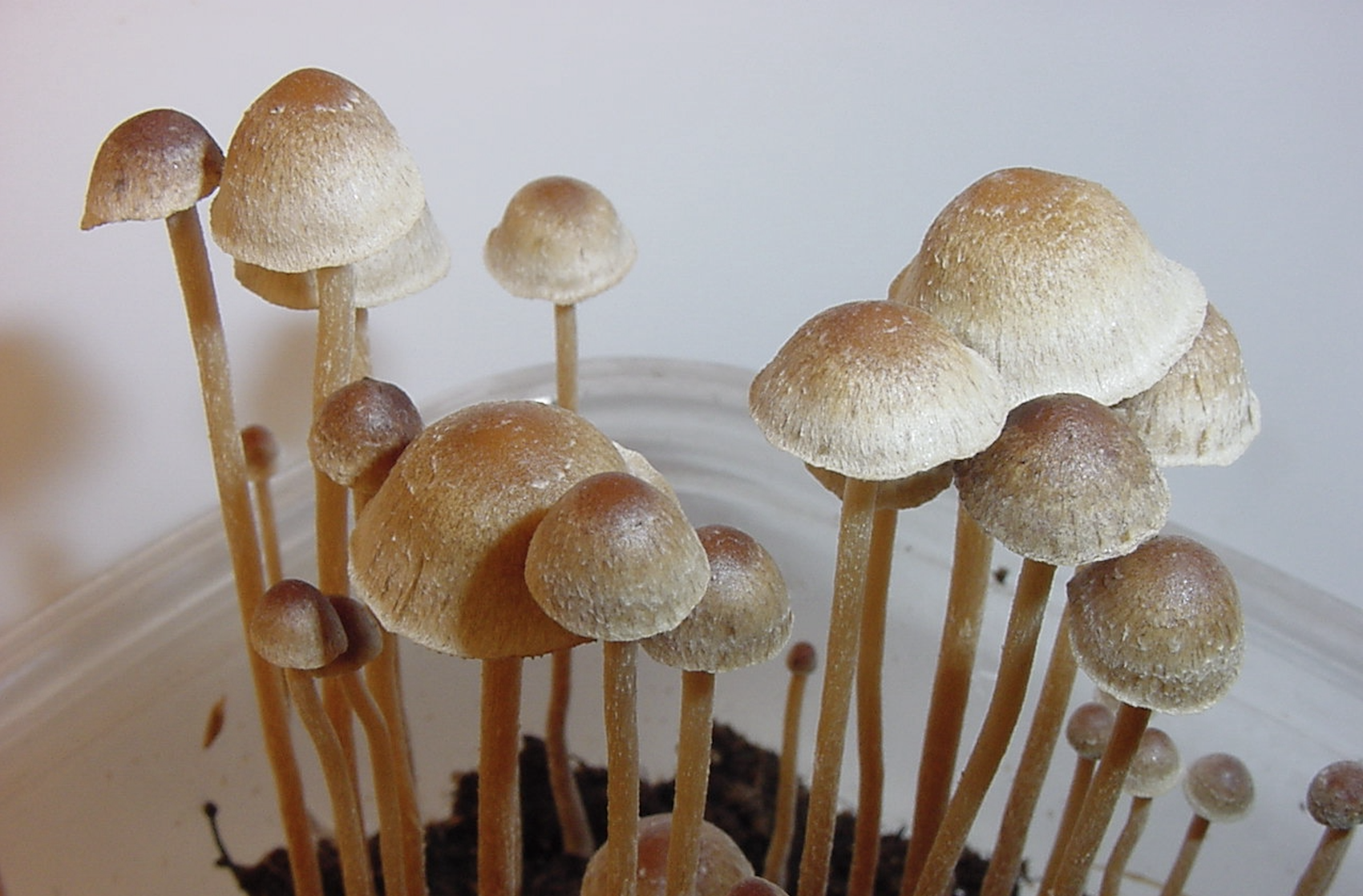
Photograph (cropped) by Workman via Wikimedia Commons/Creative Commons 3.0
This story was originally published by Marijuana Moment, which tracks the politics and policy of cannabis and drugs. Follow Marijuana Moment on X and Facebook, and sign up for its newsletter.