
In 2020 when I was nearing the end of my 10-year prison sentence, I started repeatedly bugging Tennessee Department of Correction reentry specialists about potential job leads. Eventually they gave me a list of “felony-friendly” employers—Walmart, Kroger, Goodwill, Big Lots—where I figured I could use my previous experience as a retail manager. They knew I would be on the sex offender registry, but it was the same list they gave to everyone preparing to go home.
At the time I was working for TRICOR, the correctional industries job training program that brags about how they reduce recidivism, so I bugged their reentry staff too. They gave me basically the same list.
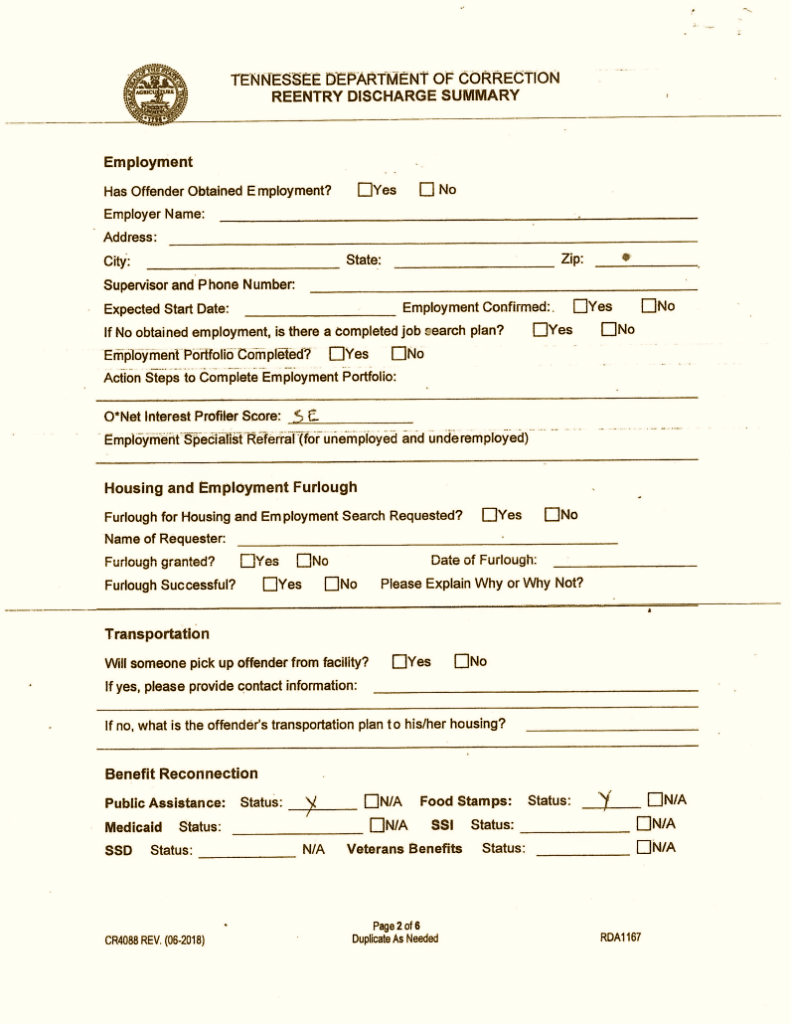
I’m a planner. Staff had made sure I had a driver’s license, birth certificate and social security card, but I’d already had those things taken care of, along with a resume. I just needed a place that would allow someone on the registry to work there so I didn’t end up back in this same hellhole. But by the time my release date arrived, I still didn’t have any real information. Most of the discharge paperwork I was sent off with didn’t even say anything.
I did get one job lead through TRICOR—a customer service relationship manager at a print plant. Between my seven years working at the TRICOR print plant and many more years of management experience before prison, maybe I had a chance. My nerves were so shot from the high stakes and the trauma of being away from society for so long that I was barely holding myself together during the interview, but somehow it went well. And then I still didn’t get the job.
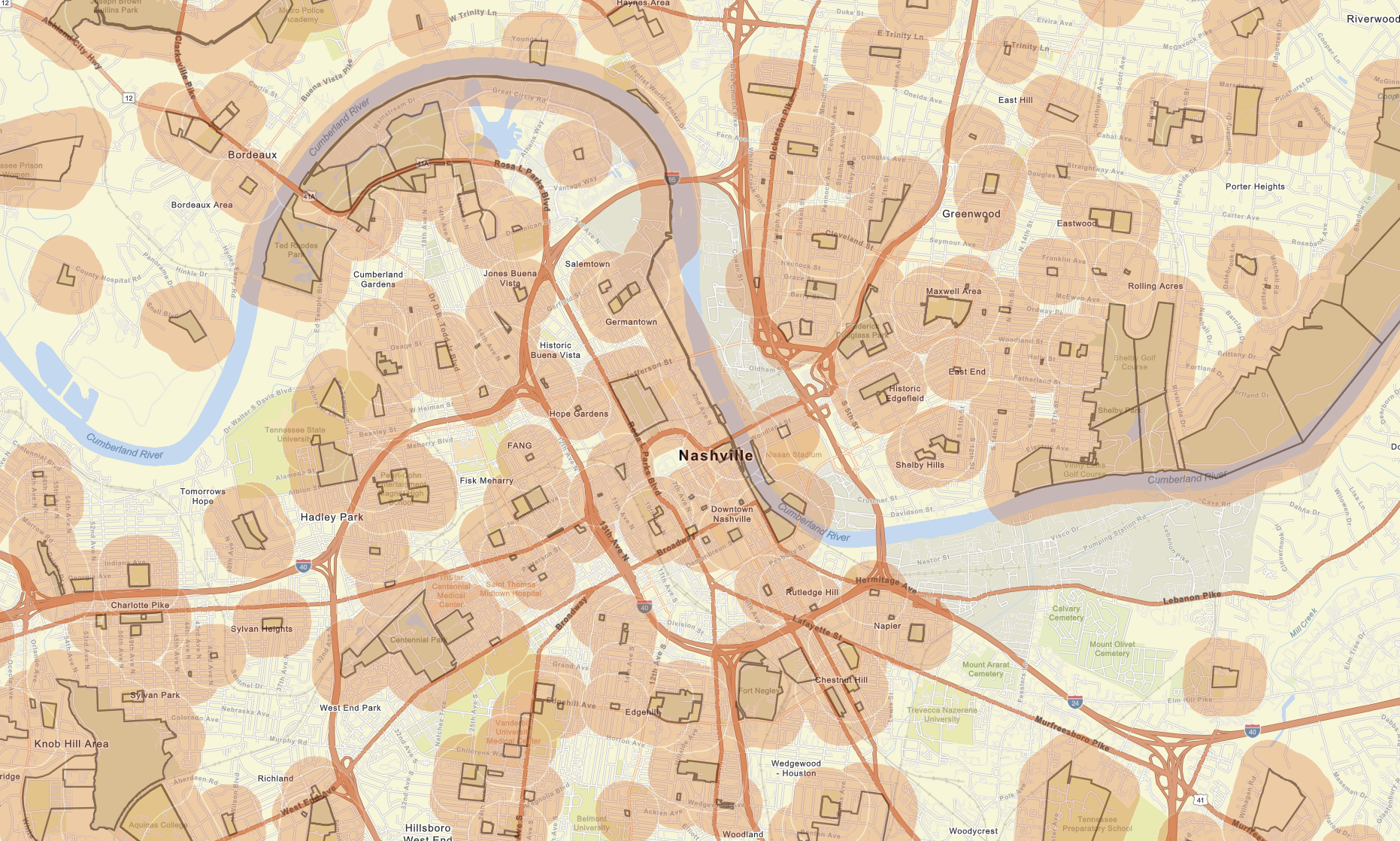
I found a local group called Project Return that provided some mock interview classes where they advised telling potential employers about my record upfront, and were able to give me the names of a few places that were willing to hire people on the registry. They also showed me the Tennessee “exclusion zone” map where people on the registry can see the places we’re banned from—like schools, churches and parks—as well as the 1,000-foot buffer around them. And, at least Project Return acknowledged how difficult it was going to be to find employment.
I started applying to Goodwill stores that fell in the areas where I was allowed to work. They were on the list I’d been given, right? After I got two job offers that were revoked once the hiring managers got the results of the background check, I was offered a manager position at a third location. They knew about my record and I hoped to God that surely this one would work out, but I asked my Project Return contact whether I should accept and put myself through it all again just to have the offer revoked. My contact gave the store a call and told me: I’m sorry—don’t waste your time. I spoke with HR, and they’re going to turn you down after they do a background check.
So I shifted my focus to Kroger. I told myself that this time it would be different. But after the first offer didn’t work out, I decided to be direct. When a second Kroger offered me a job, I asked: Hey, so I don’t waste your time or mine—do you actually hire people with felony records or who are on the sex offender registry? They said they didn’t hire anyone with any kind of felony record. I broke down in tears in the parking lot.
So-called “second chance” jobs still have invisible barriers you won’t see until you hit them.
A friend who’s currently living in a halfway house recently heard from the guy in the bunk next to his about a temp agency that was one of those “felony-friendly” employers. So my friend trekked out there to apply, only to be told he’d gotten some bad info.
My wife, who also has a record, once worked at a Sally Beauty Supply for almost two months before they ran an additional background check and told her they had to let her go. She’d absolutely loved the job, but when I went to pick her up that day and they made her sign some release papers she told me she didn’t have the energy to fight it, and just wanted to sign the papers and go home.
If you’re on the registry, and often even if you’re not, so-called “second chance” jobs for people with felony records still have invisible barriers you won’t see until you hit them. We’re told to rebuild our lives and be productive members of society, but we’re locked out of the thing that actually makes that possible—employment. Often when people object to this we aren’t trying to fight back against the system, we’re just trying to work so we can survive like anyone else.
Eventually, a local grocery store did give me that second chance.
“Once you start to understand the hurdles people face when they are released, you want to be part of the solution,” said Jodi Nunes, my former boss. “In my experience, I’ve been rewarded with team members who are willing to work and show up with immense gratitude for the opportunity.”
I’ve been at that job for over four years now, and I’m truly thankful. But at times, I stay even when I’m thinking about what better opportunities might be out there—because I know that whatever they are, they most likely won’t hire me.
Top image (cropped) via Tennessee Department of Correction. Inset image via Jeff Noland.