

Illinois is considering a wide-ranging harm reduction bill that advocates believe may have traction with legislators. If enacted, the Holistic Overdose Prevention and Equity (HOPE) Act would support “Housing First,” naloxone access for prisoners and the addition of harm reduction-specific positions to the state health department.
The HOPE Act was introduced in the 2025 legislative session, when it was referred to the House Rules Committee but did not advance. Now it’s moving again, and has been assigned to the Mental Health & Addiction Committee, where it’s calendared for a hearing February 26.
Tanya Sorrell, chair of the Illinois Harm Reduction & Recovery Coalition, said the group is “very hopeful” that this year the bill could get to a vote in the House.
“This bill will codify harm reduction,” Sorrell told Filter.
Among other provisions, the bill would create a chief harm reduction officer position within the health department as well as a Harm Reduction Program Board comprising around 20 members. These would be a mix of legislators, people with lived experience and others with health care or research expertise. In a departure from how various harm reduction working groups or advisory committees have been established in other states, there is no requirement to include members of law enforcement.
“While people who use drugs continue to face social stigma,” the bill states, “they still possess the right to receive access to housing, education, economic mobility, mental health care and a range of services to support a better quality of life.”
At the center of the bill is low-barrier housing. For shelters, low-income housing, recovery housing and housing vouchers, the bill stipulates: “Applicants may not be rejected and residents may not be evicted solely based on abstinence-only or sobriety requirements.” Some shelters and other facilities would be required to update their current policies if the bill were enacted, but disruptive behavior would still be considered cause for removal.
“There are a lot of halfway houses that have an abstinence barrier,” Sorrell said. “Let’s focus on harm reduction and low-barrier housing.”
“The stigma and shame that came with ‘Just Say No,’ ‘This Is Your Brain on Drugs,’ unfortunately pushed people away from ever having these discussions.”
“Housing First,” the evidence-based model that doesn’t require abstinence a precondition of housing, has been increasingly targeted by the Trump administration’s funding cuts. Though the bill would not guarantee funding, should funding be available grants would be awarded to community providers for mobile outreach, or “place-based” harm reduction, in high-risk areas.
The bill would direct jails to provide access to medication for opioid use disorder (MOUD) to anyone eligible, including people experiencing withdrawal even if they hadn’t previously been diagnosed with opioid use disorder. It also allows people already receiving MOUD when they were arrested to continue receiving it while in county jail, but would allow jail staff to “defer” provision if a health care provider determined that “continuation of the medication is no longer clinically indicated.” The patient would be entitled to a written and oral explanation of the decision.
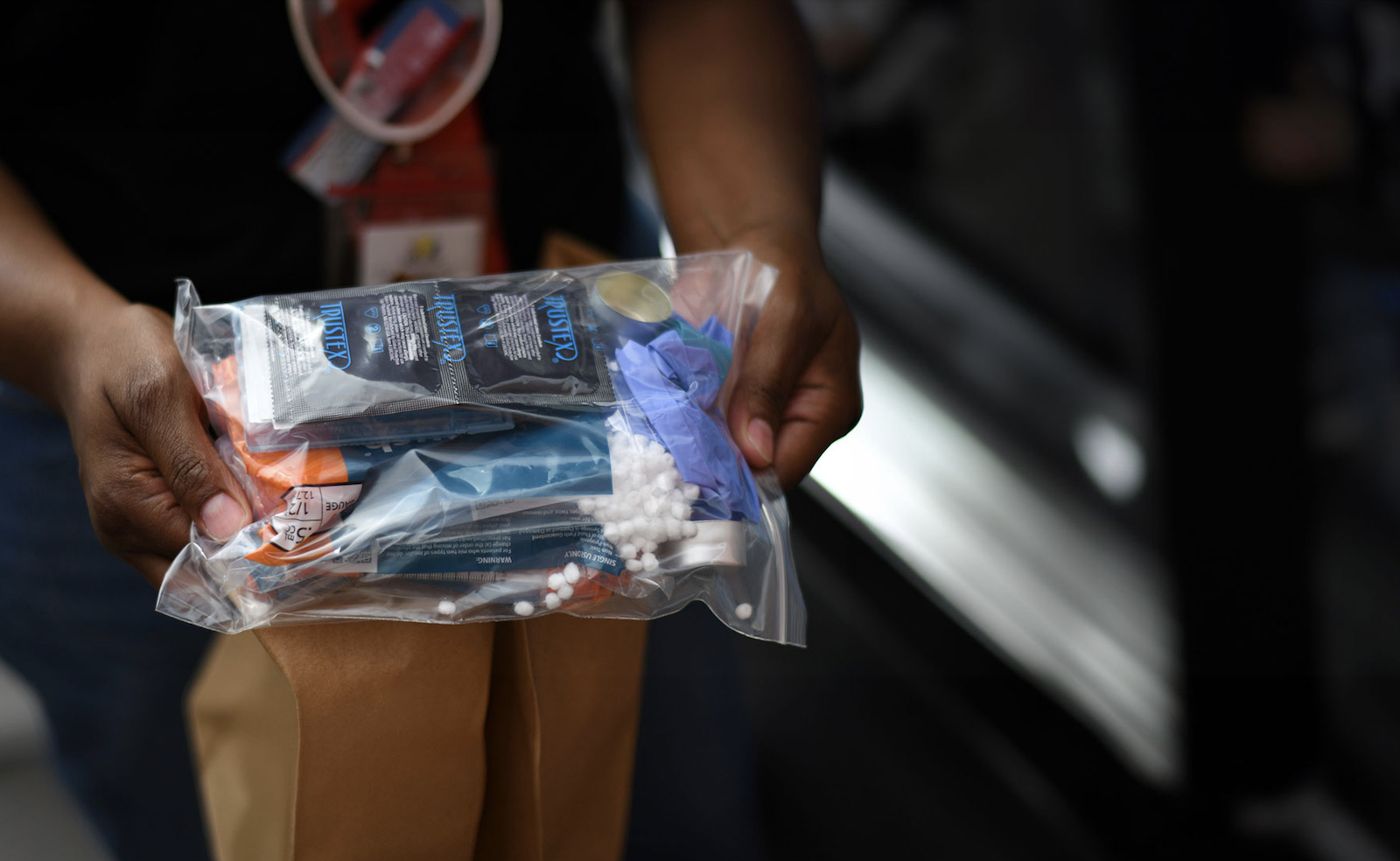
The bill would require state prisons and county jails to provide each person being released with naloxone and a referral to a harm reduction provider. Notably, it would also require that naloxone be made accessible to “incarcerated individuals in all prisons and jails.” While a handful of county jails around the country have piloted naloxone access for people in custody, the only prison system to have done so is the California Department of Corrections and Rehabilitation.
Sorrell confirmed that while the logistics of such a model would likely be worked out later, the intent is for naloxone to be made available to people during their incarceration, in addition to providing kits upon re-entry. This would also mean bringing formal overdose-prevention education and training inside prisons and jails.
“There’s misdirection and sadly just pure misinformation, and disinformation, about what harm reduction does,” Sorrell said. “The stigma and shame that came with ‘Just Say No,’ ‘This Is Your Brain on Drugs,’ unfortunately pushed people away from ever having these discussions.”
Correction, March 26: A previous version of this article stated that no United States prison system has made naloxone accessible to people in custody.
Image via County of Los Angeles Public Health