
“I emailed him and said, ‘I think I’m dying.'”
By the time Amy Massey reached out for help in 2016, years of heavy ketamine use had left her with severe bladder damage. She had a bladder removal scheduled—according to the doctors, it was the only option—and faced lifelong disability.
Desperate for an alternative, she came across a YouTube video of harm reduction advocate Mat Southwell speaking about ways to reduce ketamine-related harm.
Southwell introduced her to ketamine harm reduction strategies pioneered by drug-user activists. After adopting these approaches, Massey’s symptoms improved so significantly that her surgery was cancelled.
Today, Massey works alongside Southwell—now founder and technical director of harm reduction organisation Coact—as a peer trainer, helping health care workers and policymakers understand what works.
“When you go to a drug service, there’s nothing on ketamine. They’re asking us the questions.”
She is also a member of the Ketamine Peer Advisory Group (K-PAG), a growing community that’s become a trusted source of expertise on ketamine—not because its members set out to be, but because they had little choice after decades of ketamine-related harms falling through the cracks of a failing health care system.
“Even now, when you go to a drug service, there’s nothing on ketamine,” Massey said. “They’re asking us the questions.”
Ketamine (AKA Ket, K, Special K) occupies a unique place in Britain’s drug landscape. Used medically as an anesthetic and increasingly in supervised treatment for depression, its non-medical use is also surging.
Unlike stimulants or opioids, ketamine is a dissociative. Small doses can produce euphoria and detachment. Larger doses can lead to the “K-hole”—a state where people feel disconnected from their body, surroundings and reality.
While those psychological effects of ketamine are immediate, physical harms, including debilitating bladder disease and chronic pain, may develop quietly over months or years. Heavy use may also lead to dependence.
Over 5,300 adults entered treatment for ketamine problems in England in 2024/25—more than 12 times as many as a decade earlier. The crisis is heavily concentrated among younger adults, with over two-thirds of users aged 16 to 24. Anecdotally, it’s often even younger than that.
“We’re seeing children starting at 11 or 12,” Southwell told Filter. “They’re turning up in children’s urology services at 13, 14 and 15.”
The UK Advisory Council called for a coordinated public health response built around education, workforce training, harm reduction and treatment pathways.
As the number of people living with ketamine-related harms has increased, much of the public debate has focused on whether the drug should be reclassified from Class B to Class A.
Earlier in 2026, the United Kingdom’s Advisory Council on the Misuse of Drugs (AMCD) recommended against reclassification, concluding that the harsher criminal penalties it would entail were unlikely to reduce use. Instead, it called for a coordinated public health response built around education, workforce training, harm reduction and treatment pathways.
That recommendation now sits with the UK government.
But while the government weighs its decision, people with lived experience aren’t waiting. They’re already building the public health response the ACMD says is needed.
The workshops run by Southwell and Massey are among a growing number of peer-led initiatives working to fill the public health gap. They will also pilot a new festival outreach model, reaching peers with harm reduction advice in environments where ketamine is used.
In the workshops, while Southwell explains the science behind ketamine-related harms, Massey brings the lived experience, sharing stories from K-PAG members that are often just as harrowing as her own.
Massey is still shocked by how unprepared many frontline health services remain. “They literally just don’t know,” she said. “They’re overwhelmed. People are coming into services, and they don’t know what to do with them.”
“The first thing that needs to happen is an acknowledgement that we’ve really, really fucked up.”
But Southwell isn’t surprised. For more than two decades, he has worked alongside clinicians, researchers and people with lived experience to understand the harms associated with chronic ketamine use. The knowledge has been there for years. The response hasn’t.
“The first thing that needs to happen is an acknowledgement that we’ve really, really fucked up,” he said. “For years, people using ketamine have been saying exactly the same thing: ‘We have to explain our condition in order to get a service.'”
For Southwell, that’s the real failure. It’s not that clinicians don’t care. It’s that knowledge about ketamine has never filtered into everyday health care, leaving frontline drug services, emergency departments and GPs trying to respond to a drug they were never properly equipped to understand.
He believes this has reflected what he describes as “intentional negligence” by the government.
“It didn’t fit with the recovery model,” he said. “It was too inconvenient, so we’re just not going to tell anybody about it.”
Another peer-led initiative started in 2021, with a single anonymous Reddit post.
The anonymous person created r/KetamineAddiction. Mason Stillings, who is one of the community’s moderators, said it emerged during the post-COVID “boom” in ketamine dependence.
“It was a lighthouse,” Stillings told Filter. “A lifeline.”
Today, the Reddit community has grown to more than 10,500 members. Many arrive after developing bladder pain or other symptoms they never expected.
Today, the Reddit community has grown to more than 10,500 members, while a companion WhatsApp group, launched in 2024, supports more than 700 people across the UK and beyond.
Many arrive after developing bladder pain or other symptoms they never expected.
“There is still an incredibly dangerous misconception that ketamine is ‘safe,’” Stillings said. “I am regularly speaking to people in their early 20s—and sometimes teenagers—who are waiting for surgery to reconstruct or remove their bladders. Most are stuck at home, bed-bound by chronic pain, wondering if they will ever physically recover. It is heartbreaking.”
Abbie Christie is also a moderator on the group. She believes that misunderstanding begins long before people become seriously unwell.
“Ketamine is commonly thought of as a ‘safe’ drug compared with other drugs,” she told Filter. “There is no ‘comedown’ as such, and the damage from heavy use builds up quietly over time.”
According to Christie, there’s also a belief that you can’t get addicted to ketamine. She worries, too, that growing awareness of ketamine-assisted therapy has blurred the distinction between medically supervised treatment and street ketamine.
Ketamine doesn’t fit neatly into treatment systems built around alcohol, opioids and stimulants.
“We see people with huge platforms sharing positive experiences with ketamine to help with trauma, depression and other mental health conditions,” she said. “I think this leads people to believe that ketamine is not only safe, because it is used in medicine, but that it is beneficial and they can use it to self-medicate.”
As more people find themselves confronting harms they never expected, these online communities have evolved into something much bigger than simply information-sharing. Members exchange practical advice on bladder symptoms, reducing use and finding ketamine-aware clinicians. They help people navigate the health care system, recommend rehabilitation services and share resources people can take to GPs and specialists.
Beyond the screen, the community organizes sober hikes, camping trips and meet-ups that have grown into lasting friendships and recovery networks.
“It has become almost a central hub for passing on information for people to be able to advocate for themselves where there is still a lack of awareness among professionals,” Christie said.
Stillings said people aren’t turning to Reddit because they prefer strangers on the internet: “They’re doing it because there are some people fortunate enough to access specialists who understand ketamine—but they’re few and far between. Receiving appropriate treatment remains a postcode lottery.”
The problem isn’t simply that health care professionals know too little about ketamine. It’s that ketamine doesn’t fit neatly into treatment systems built around alcohol, opioids and stimulants.
With ketamine, there is no single harm reduction message. The advice for someone experimenting with it at a festival is very different from someone living with ketamine bladder syndrome after years of heavy use.
Some strategies are deceptively simple: Staying well hydrated, avoiding daily use where possible, pelvic floor exercises, breathwork such as box breathing, natural supplements, and even understanding how the drug is snorted can all reduce harm.
“I don’t think people understand the whole snorting process,” Southwell said. “There are some really basic fundamentals of harm reduction that people just aren’t being taught.”
For people already living with bladder damage, however, the conversation changes.
“What we understand now is that ketamine essentially strips the lining of the bladder,” Southwell said. “I mean, we’ve got pictures of people holding their bladder lining. If people aren’t well hydrated, urine passes over exposed nerves, causing enormous pain.”
For people using ketamine, the main focus has been building the response they needed, long before the government even realized it was missing.
Treatment also needs to look different. Many people using ketamine aren’t initially seeking abstinence. They’re looking for practical advice, someone who understands what they’re experiencing, and help before irreversible damage occurs.
“Drug services have this way of saying, ‘Come to us when you’re ready,'” Massey said. “That doesn’t work for ketamine users. The damage has already been done.”
Instead, she believes services need to meet people where they are—helping them reduce immediate harms while building trust over time.
Whether ministers ultimately accept the ACMD’s advice or decide to reclassify ketamine remains to be seen.
For the people already using ketamine or living with associated harms, however, the main focus has for years been something else. It has been about building the response they needed, long before the government even realized it was missing.
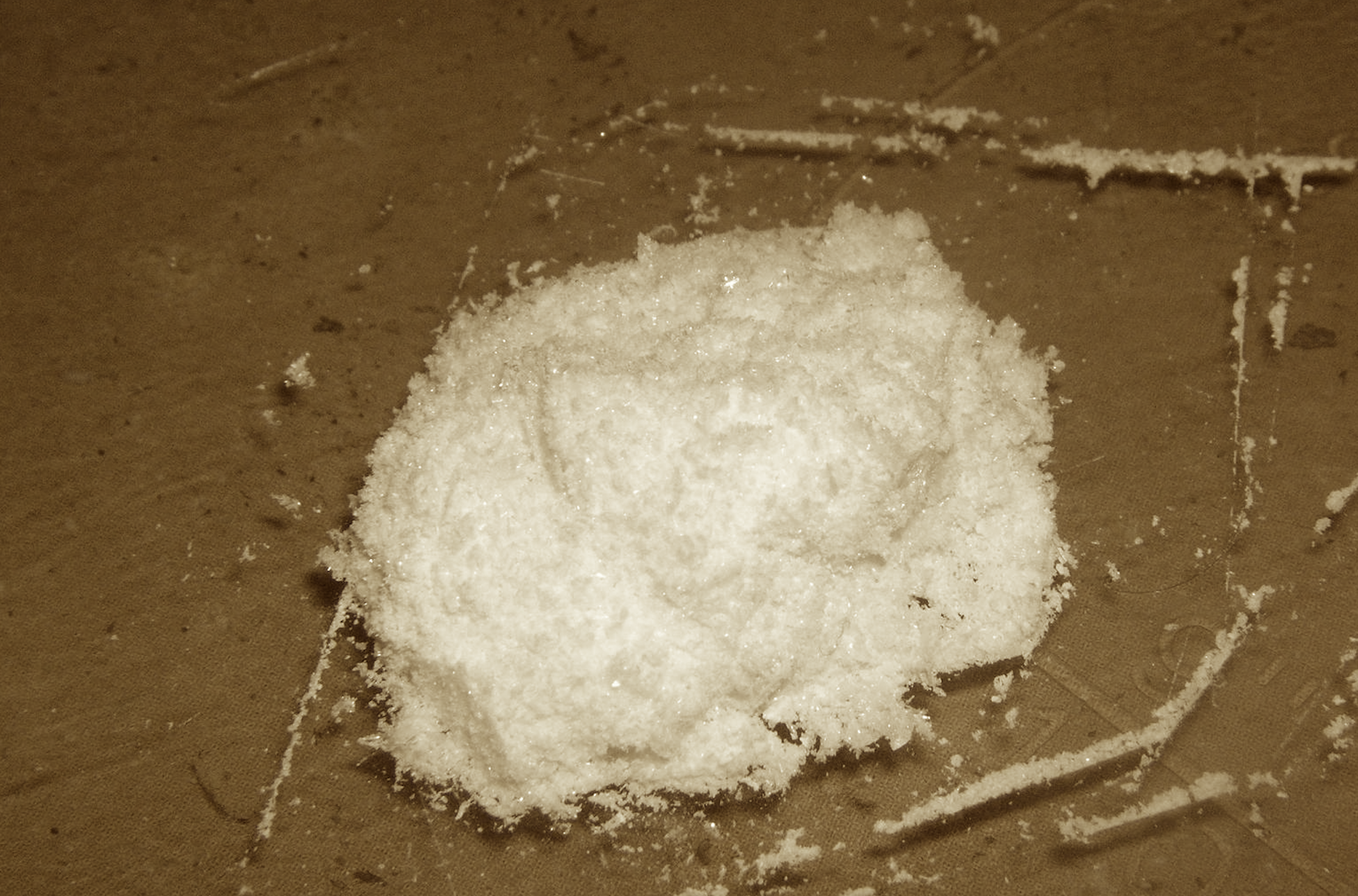
Photograph (cropped and adapted) by Coaster420 via Wikimedia Commons/Public Domain