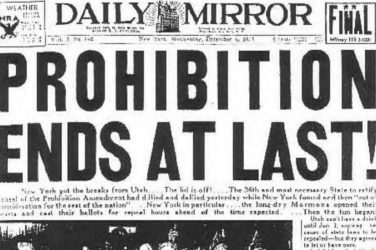

The World Health Organization has released its first-ever report on nicotine pouches, portraying the safer nicotine products as a health threat and Big Tobacco marketing ploy. This has been met with a barrage of criticisms from scientists and tobacco harm reduction advocates, including a litany of community notes on social media.
The 152-page report, titled, “Exposing marketing tactics and strategies driving the global growth of nicotine pouches,” was released on May 15. It warns countries of “the global expansion” of the products, which it says are being “aggressively marketed” towards young people. It goes on to state that the lack of regulation in many countries risks the health of minors.
“The use of nicotine pouches is spreading rapidly, while regulations struggle to keep pace,” stated Dr. Vinayak Prasad, unit head of the Tobacco Free Initiative for the WHO, in a press release.
The report, released shortly before World No Tobacco Day, omits the role of pouches in harm reduction.
“The report is less about evidence and more about pushing the prohibitionist narrative.”
Nicotine pouches can replace combustible tobacco, and are doing so on a large scale in various places. They are exponentially safer than cigarettes—at the very lowest end of the nicotine-products continuum of risk, and about 100 times safer than smoking, according to some research.
When 1.3 billion people continue to use tobacco, with over 7 million associated deaths per year, a colossal number of people could benefit from switching to pouches. But not in the WHO’s eyes.
“The report itself is less about evidence and more about pushing the prohibitionist narrative,” Nancy Loucas, executive coordinator of the Coalition of Asia Pacific Tobacco Harm Reduction Advocates (CAPHRA), told Filter.
Her organization believes that the WHO is right to raise concerns about “irresponsible youth marketing,” but “it should not come at the expense of adults who are trying to move away from cigarettes and other high-risk tobacco products.”
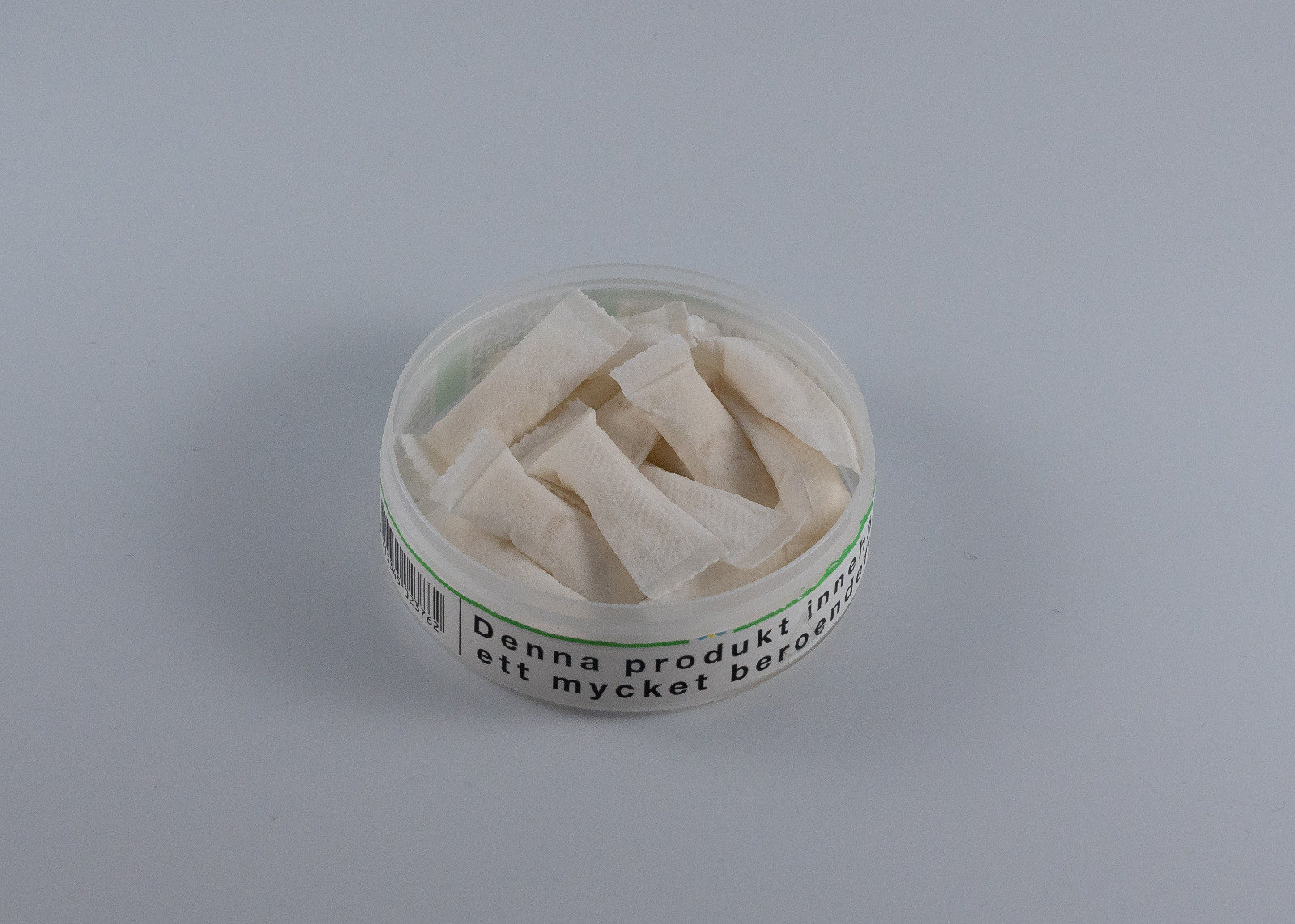
Though often categorized as “tobacco products,” nicotine pouches contain no tobacco. They typically contain plant fiber with nicotine and flavorings. Placed between the gum and lip, they release nicotine through the lining of the mouth—avoiding combustion and the inhalation of carcinogenic toxins produced by cigarettes.
By “focusing mainly on nocitine delivery rather than disease risks,” it “slates over massive harm reduction potential for anyone using nicotine now or in the future.”
Yet the WHO report ignores these critical differences, instead “focusing mainly on nicotine delivery rather than disease risks,” British tobacco harm reduction expert Clive Bates, of Counterfactual Consulting, told Filter.
“In doing so it slates over massive harm reduction potential for anyone using nicotine now or in the future,” he added.
What makes this even more egregious, Loucas noted, is how it appears to override the WHO’s own international treaty, the Framework Convention on Tobacco Control. The pouch report features “the continued bleating that harm reduction is an industry construct when Article 1(d) of FCTC is clear on the harm reduction mandate,” she said.
That article declares that “tobacco control” equates to “a range of supply, demand and harm reduction strategies [italics added]” aiming to improve public health.
The WHO need only look to Sweden to see the kind of spectacular public health wins oral safer nicotine products can achieve. Easy access to snus and pouches has enabled the country to achieve the world’s lowest smoking rate, at 3.7 percent.
Pouches also have transformative harm reduction potential in parts of the world, like South Asia, where use of harmful traditional oral tobacco products is widespread.
Yet the WHO’s report simply urges governments to clamp down on pouches with bans or strong restrictions on flavors, plus high taxation to reduce affordability and deter youth use.
“I have had some patients find success in quitting smoking with them. Pouches are one of the least harmful forms of nicotine they can use.”
Todderick Prochnau, a pharmacist in Canada who has run smoking cessation clinics, knows what pouches can do on the ground.
“Since nicotine pouches have emerged I have had some patients find success in quitting smoking with them,” Prochnau told Filter.
“Smoking cigarettes is by far the most harmful way a person can consume nicotine,” he continued. “Nicotine pouches are a significantly less harmful form of nicotine than cigarettes, and therefore should be as accessible as possible to adults.”
Prochnau emphasized that while nicotine use can be dependence-forming, it does not in itself cause diseases associated with smoking, such as cancer, cardiovascular diseases or respiratory disease. “If a patient is going to use nicotine, pouches are one of the least harmful forms of nicotine they can use,” he said.
Prochnau has also seen the impacts of harsh restrictions like those urged by the WHO. Canada introduced strict pouch regulations in 2024, ostensibly to reduce youth use. The range of flavors has been reduced, sales have been limited to pharmacies and advertising has been curbed. As a result, some adults who might have given pouches a try are likely to have stuck with cigarettes instead.
Nor has the clampdown fulfilled its stated purpose of eliminating youth use. “In Canada, where nicotine pouches are restricted, we have a large illicit nicotine pouch market,” Prochnau said. These markets are not age-gated, he added, and the products sold often have higher nicotine content than the regulated pouches.
“None of it is justified and no evidence is presented to support the effectiveness of the report’s policy package.”
Another restriction the WHO report urges countries to adopt is capping pouches’ nicotine content. Yet research has indicated that pouches with higher nicotine levels are key to helping some people stay off cigarettes, with the ability to satisfy cravings for people who were smoking heavily.
All in all, WHO’s latest report is yet another onslaught from the world’s preeminent public health agency on options that help people quit deadly cigarettes. Scientists have subsequently lined up to defend the role of pouches in smoking cessation.
Bates called the report “fundamentally misleading.” The WHO, he said, searched for “weird outliers like candy branding or super strengths” in order to imply that these are driving global nicotine use. In reality, he continued, these are “marginal products” included in the report simply to cause “outrage.”
The WHO, Bates concluded, “just pulls out its tobacco policy playbook and lists various prohibition measures, like flavor bans, for use where full prohibition is not possible. None of it is justified and no evidence is presented to support the effectiveness of its policy package. The most likely result would be a vast, unregulated illicit market.”
Image (cropped) via Global State of Tobacco Harm Reduction via Flickr/Creative Commons 2.0