
On June 18, the Supreme Court ruled that the government cannot automatically ban people who use drugs from owning firearms. The justices voted 9-0 to uphold a lower court’s dismissal of a federal gun possession charge in United States v. Hemani. The decision simultaneously undercuts the Trump administration’s stance on gun ownership while supporting its evolving stance on marijuana, though still leaving a lot of room for the ban to apply to users of other drugs.
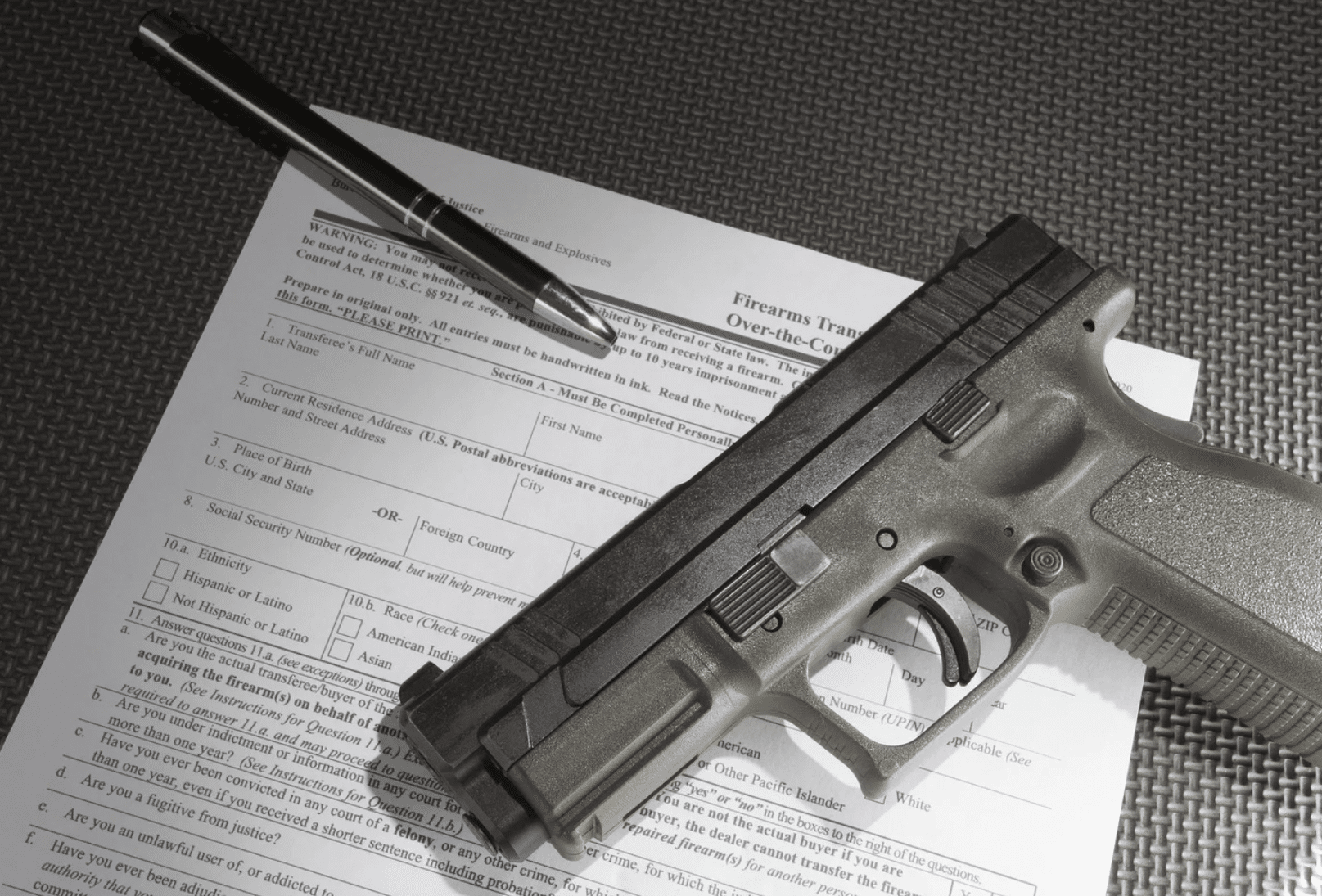
In 2022, federal agents found a Glock 9 mm handgun, 60 grams of marijuana and 4.7 grams of cocaine in the home of Texas resident Ali Danial Hemani. While cooperating with the search, Hemani disclosed that he used marijuana about every other day. More than six months later, he was later charged with violating the federal Gun Control Act of 1968, which among other restrictions bans anyone “who is an unlawful user of or addicted to any controlled substance” from gun possession. The Supreme Court, which tends to favor Second Amendment protections, ruled that the Department of Justice cannot prosecute that charge.
“The Court’s decision is narrow,” reads the opinion by Justice Neil Gorsuch. “It does not address efforts to ban addicts or those presently intoxicated from possessing a firearm; other prophylactic laws Congress might adopt after determining that users of a particular drug pose a special risk of misusing firearms; [the Act’s] provision disarming individuals convicted of felonies; or whether the government could bring a prosecution under [this provision] accompanied by individualized proof that the defendant’s drug use renders him a danger to himself or others, or proof that a certain drug always renders its users dangerous.”
Hunter Biden was convicted of the same federal gun possession violation in 2024, prior to receiving a pardon before his father Joe Biden left office.
The DOJ had relied on historical laws authorizing the government to disarm “habitual drunkards.”
Despite the Trump administration’s ostensible support of the Second Amendment, it has a mixed record of supporting gun rights. In this case, the DOJ had argued that prosecution was supported by historical laws authorizing the government to disarm “habitual drunkards.”
Gorsuch (who was appointed by President Donald Trump) wrote that Hemani’s case differed in a number of ways, including the increasing prevalence of regular marijuana use in the United States and the administration’s recent decision to move medical marijuana from Schedule I to Schedule III of the federal Controlled Substances Act.
“Whatever one thinks of these developments, the federal government has not just tolerated them; it helped fuel them,” Gorsuch wrote. “All of which leaves it awkwardly positioned to suggest that the millions of Americans who now regularly use marijuana are categorically and unusually dangerous.”
The DOJ hadn’t claimed that Hemani’s marijuana use was too problematic for him to safely own or operate a gun, or included any details about the nature of his use at all. The Court found this at odds with the “habitual drunkard” argument, noting that the DOJ’s position would be equally applicable “to a husband who regularly takes his wife’s prescription Ambien to sleep and a college student who routinely uses a friend’s Adderall to cram for exams.” Presumably when the justices expressed an openness to arguments about certain drugs that always render users dangerous, these weren’t the drugs they had in mind.
Image (cropped) via Federal Bureau of Investigation