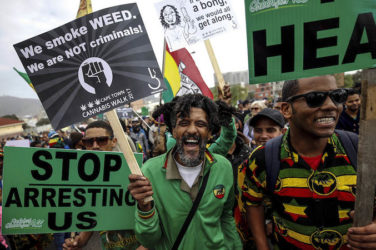


Acting Attorney General Todd Blanche has signed an order moving state-licensed medical marijuana products from Schedule I to Schedule III of the Controlled Substances Act. Though non-medical marijuana remains a Schedule I drug, as of April 23 a hearing set to begin in June will “evaluate broader changes to marijuana’s status under federal law.”
On April 18, during an Oval Office ceremony where President Donald Trump signed an executive order supporting research access to Schedule I psychedelics, he at one point appeared to express impatience about the marijuana rescheduling process, though he did not say so explicitly.
“Will you get the rescheduling done, please?” Trump said, turning toward podcaster and legalization proponent Joe Rogan. “Joe, they’re slow-walking me on rescheduling.”
On April 22, Axios reported that the rescheduling was imminent and could come that same day; the Washington Post published a similar report shortly after. Speculation grew, yet the Drug Enforcement Administration, the Department of Justice and the White House remained silent until the morning of April 23 when the DOJ announced the news. The White House did not respond to Filter’s request for comment.
“This action recognizes the longstanding regulation of medical marijuana by state governments and the need for a common-sense approach to this reality,” the DOJ stated. The agency also announced changes to its rulemaking process so that it can expedite what’s “required to fully remove marijuana from Schedule I.”
Schedule I is the category for substances that the Food and Drug Administration has not approved to treat any health conditions, which is why almost all of the most highly criminalized and stigmatized drugs—like fentanyl and methamphetamine—are Schedule II. As a Schedule III substance, medical marijuana is now in the same category as buprenorphine, ketamine and testosterone, and will become much more accessible to researchers.
In addition to state-licensed medical marijuana products, the long-awaited rescheduling order also applies to “FDA-approved products containing marijuana.” Currently there are none, though the FDA has approved a small handful of CBD and synthetic cannabinoid-based products, so this language gives a sense of what’s on the horizon for that agency as well.
Federal marijuana rescheduling has been in limbo since the Biden administration.
Federal marijuana rescheduling has been in limbo since the Biden administration. The upcoming June hearing date replaces what was originally set for January 2025. A DEA administrative law judge had called it off at the last minute, and until now it’s been postponed indefinitely.
The DOJ announcement comes four months after Trump issued an executive order directing then-Attorney General Pam Bondi to “take all necessary steps to complete the rulemaking process related to rescheduling marijuana to Schedule III of the CSA in the most expeditious manner in accordance with Federal law.”
Bondi, who has opposed marijuana policy reform throughout her long career in law enforcement, was fired in early April; although likely for reasons unrelated to marijuana reform. She was replaced by Blanche, who prior to signing the rescheduling order had not been particularly vocal about marijuana but was not likely to go against Trump.
“The Department of Justice is delivering on President Trump’s promise to expand Americans’ access to medical treatment options,” Blanche stated in the DOJ announcement. “This rescheduling action allows for research on the safety and efficacy of this substance, ultimately providing patients with better care and doctors with more reliable information.”
‘Image (cropped) via Utah State Legislature