

Given what the methadone clinic system subjects them to, is it really a surprise that people who take the medication in the United States don’t stay in treatment for very long? A new cohort study, published in JAMA Network Open, further corroborates what has been known for a long time.
For people with opioid use disorder, taking methadone lowers the risk of overdose by 59 percent over the first year. The ongoing opioid-involved overdose crisis means it’s critical that people are able to continue with this lifesaving treatment.
But that isn’t what the researchers found. Instead, the study revealed, “the median OTP [opioid treatment program] had 30-day, 90-day, and 180-day retention rates of 61.2%, 41.5%, and 27.5%, respectively.”
Individual clinics’ retention rates varied considerably. But in approximately half of them, at least one-third of patients had left within 30 days of starting treatment. Still more leave as treatment continues. At most clinics, most patients don’t make it to three months. It is an unacceptable health care delivery failure.
The study looked exclusively at Medicaid beneficiaries, analyzing data for over a quarter of a million individuals from 2018-2023. Medicaid is the largest payer for methadone; it’s estimated that 75 percent of patients have coverage through this program.
People who take methadone are forced to make the clinic and its inhumane culture a daily part of their lives. This is what leads to high drop-out rates, perpetuating the overdose crisis.
“This study found that there is considerable room for improvement in OTP retention rates,” the researchers wrote. That’s an understatement! The clinic system is costing lives by forcing large numbers of people to turn back to the dangerously adulterated unregulated drug supply.
The researchers cite a number of problems with clinics that help cause this, all of which have been documented for many years: inadequate dosing, long travel times and the stigma associated with taking methadone. These hint at what stands in the way of people remaining in treatment: The culture of cruelty that is foundational to how clinics operate.
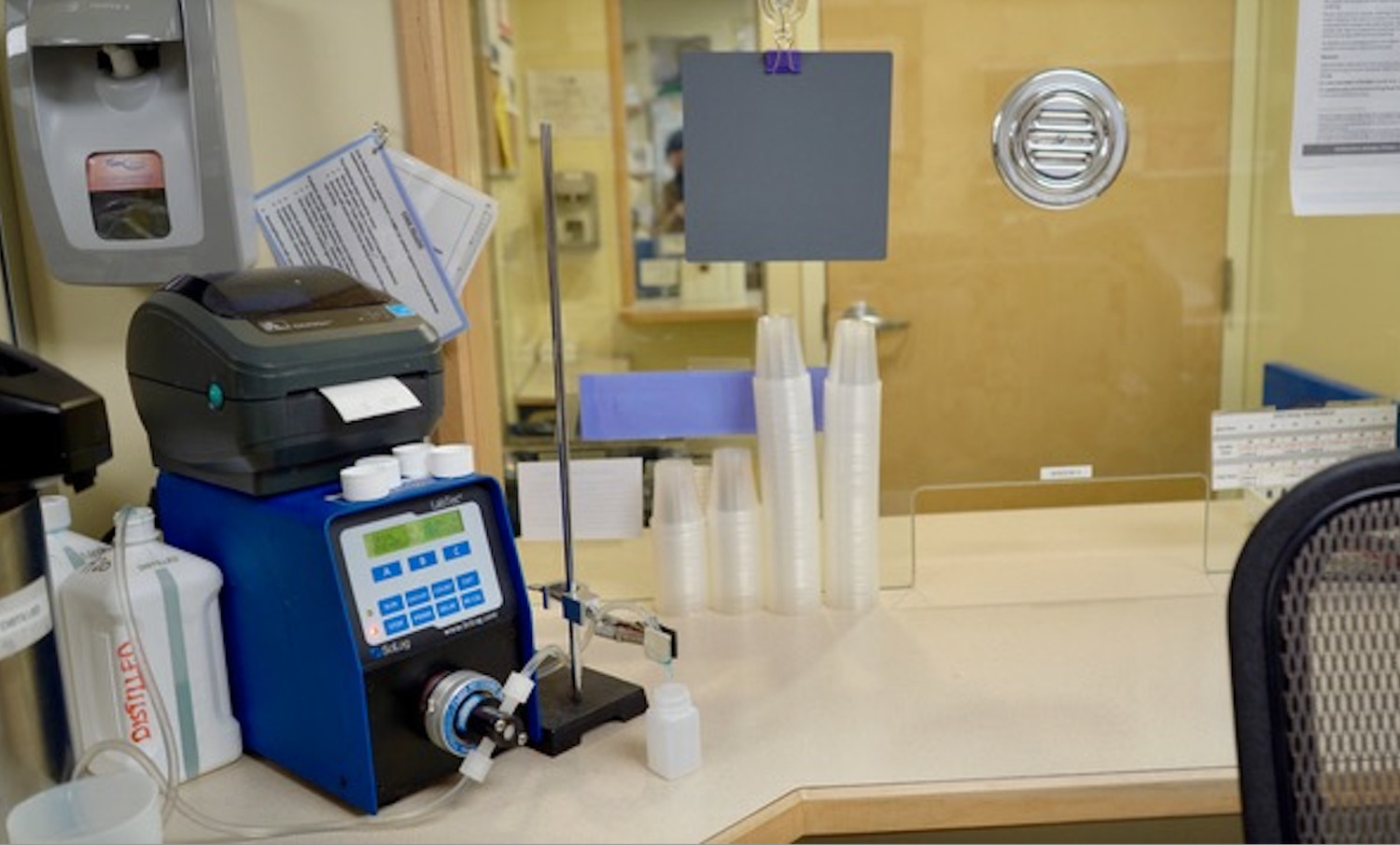
Entering methadone treatment is a uniquely traumatic experience. Patients wait in long lines outside the clinic in all kinds of inclement weather. It’s humiliating. They are treated like criminals, and aren’t trusted to take their medication without a nurse watching. Every single time. It’s called “supervised dosing.” There are “observed urines,” meaning staff watch patients pee or a video camera records it, as part of a regimen of drug testing. Positive screens can lead to sanctions including denial of medication.
Commuting to an OTP six or seven days a week is an enormous and expensive extraction of patients’ time. This leads to missed doses and counseling appointments, as well as damaging disruptions to people’s lives in terms of work, educational or caretaking commitments.
Take-home medication has to be “earned,” which can take years, and it can be taken away for a raft of reasons. There is mandatory counseling with a constantly changing cast of counselors. Patients are punished for even the smallest rule infractions.
People who take methadone are forced to make the clinic and its inhumane culture a daily part of their lives. This is what leads to high drop-out rates, perpetuating the overdose crisis.
The way to boost treatment retention rates and save lives is to end the OTP monopoly over the dispensing of methadone. All health care providers should be able to prescribe the lifesaving medication in office-based and community settings—including at syringe service programs, overdose prevention sites, drug treatment programs, hospitals and outpatient clinics.
Photograph by Helen Redmond