

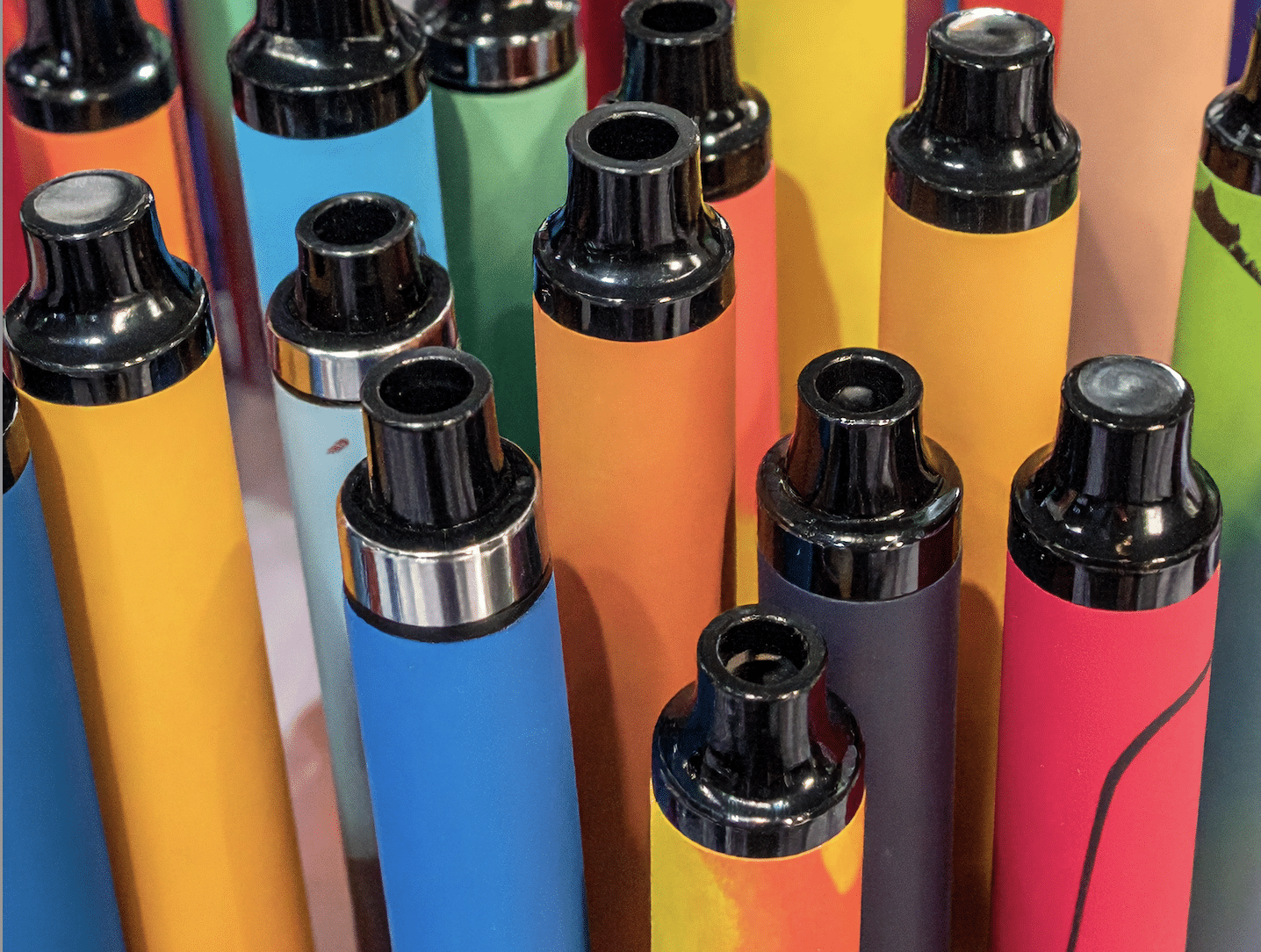
On May 5, the FDA’s Center for Tobacco Products (CTP) did something it has never done before: It authorized fruit-flavored vaping products for the United States market, deeming them “appropriate for the protection of public health.”
The newly authorized products are four G2 pods made by the vape company Glas: Classic Menthol, Fresh Menthol, Gold and Sapphire. The latter two are mango and blueberry flavors, making them the first non-tobacco, non-menthol vaping products the FDA has authorized.
Youth use has always been the FDA’s reason for denying authorization for flavored vapes—which are important for harm reduction because many adults find them the best way of switching from cigarettes. But the agency determined that Glas’s device-access restriction technology—pairing a vape with an age-verified smartphone via Bluetooth—would, combined with marketing restrictions, effectively deter youth use.
This is not a simple story of a product moving cleanly through a scientific review process, but one that has continually involved politics, pressure and public perceptions.
The story behind this authorization began in July 2021, when Glas submitted Premarket Tobacco Product Applications (PMTA) for these products. By then, the PMTA process was already becoming a maze for flavored-vape applicants.
Internal FDA memos later showed how the agency handled many such applications through what became known as the “Fatal Flaw” review. Instead of fully evaluating each application on its merits, the review looked for the presence of certain types of studies in applications for non-tobacco-flavored products—a systematically different approach from that used with other applications.
That helped fuel criticism that the PMTA process was chaotic, opaque, stacked against smaller companies and amounted to a de facto flavor ban.
By then, starting in August 2021, the FDA had already begun issuing waves of marketing denial orders for flavored vaping products. Those decisions helped set the pattern: FDA would repeatedly say flavored products had not shown enough adult benefit to offset youth risk, while many adults who had switched insisted that flavors were helpful—if not critical—to making the switch.
For years, the public was told that the FDA’s tobacco decisions were based on science. They should be. But the science office’s recommendation has not always been the final word.
In 2022, internal FDA memos involving Logic’s menthol vaping products showed that the CTP’s Office of Science had recommended authorization, but CTP leadership pushed back. The documents revealed substantial disagreement inside CTP, with FDA scientists on one side and the agency’s bureaucratic and political leadership on the other.
In December 2025, tobacco harm reduction advocate Gregory Conley noticed a Google Alert showed a PDF indicating the FDA had added the Glas G2 device and multiple Glas pods to its authorized list. In an unusual twist, the update to the authorized list later that day no longer included the Gas products. The FDA attributed the weekend changes to a glitch.
In March, the FDA authorized the Glas G2 device and one Blonde Tobacco pod. There was no press release, but that authorization represented the first of a vaping product with age-gating technology that must be activated before use. Glas also stood apart from most companies with authorizations because it has never been owned by or previously tied to a tobacco company.
Combustible cigarettes, we should remember, do not require Bluetooth pairing. Age-gating vapes makes the safer option much harder to access than the more dangerous one.
But the flavors that had drawn attention in December were still missing. Had the FDA reviewed them and said no? Or had something else happened?
By April, internal FDA records suggested that the story was not so simple. Scientific staff had recommended marketing orders for flavored Glas products, but senior leadership halted them. Because those records became public through Glas, they should be read carefully. But they were not hard to believe, because the Logic case had already shown a similar pattern: FDA scientists saw a path to authorization, and higher-level officials intervened.
This difference was evidently resolved in favor of authorization. And this happened at a time when the pressure around the FDA has visibly shifted.
For years, health and parents’ groups have pushed the agency not to authorize flavors, and that’s still the case. After the Glas announcement, the Campaign for Tobacco-Free Kids called the decision a “big step backward,” warning that fruit flavors appeal to youth.
But pressure is now coming from the other direction, too. Earlier on May 5, news broke that President Donald Trump had rebuked FDA Commissioner Marty Makary for not moving quickly enough to approve flavored vapes and nicotine products. Advisers described Makary as blocking Trump’s pledge to “save” vaping. Hours later, the FDA announced the Glas authorizations.
So this is not a simple story of a product moving cleanly through a scientific review process, but one that has continually involved politics, pressure and public perceptions.
The age-gating technology may well be what finally made the authorization politically viable, which suggests the FDA is not opening the door to many other flavored vapes. The Glas G2 requires users to download an app, upload a selfie and driver’s license images, and use the device while near the paired phone. That may be a path through FDA’s maze, but it is a narrow one.
Combustible cigarettes, we should remember, do not require Bluetooth pairing or any of the other elements of this digital lock; anyone who obtains them, including youth, can use them. So age-gating vapes makes the safer option much harder to access than the more dangerous one.
People who smoke deserve more than a regulatory system that offers them cigarettes quickly and harm reduction alternatives slowly.
That does not make the Glas authorization bad news. It is good and historic news. But it also shows how many hoops a company had to jump through before the FDA could say yes.
The evidence on flavors makes this story bigger than one company. Fruit and sweet flavors are positively related to moving away from cigarettes, and helping people select a flavor can improve the chance of switching. It took until 2024 for the FDA to authorize any non-tobacco flavored vape, in the form of menthol.
For adults who smoke, the practical question has never been whether a product fits neatly into a regulatory debate. The question is whether there is a regulated, accessible option that helps them move away from cigarettes. Glas may be an answer for some people. It will not be the answer for everyone.
The authorization does not solve the larger problem. It does not suddenly create a broad legal market of smoke-free products that reflect the mostly unregulated variety adults already use. It does not erase the damage done by years of uncertainty, denials and misinformation about safer options.
It does mark a change, but the next step should not be to declare victory. It should be to ask why it took this long, how many adults were left without acceptable legal options along the way, and whether the FDA will apply this lesson more broadly.
People who smoke deserve more than a regulatory system that offers them cigarettes quickly and harm reduction alternatives slowly.
Photograph (cropped) by Global State of Tobacco Harm Reduction via Flickr/Public Domain