
In December 2022, the Department of Homeland Security was required to create a data collection program for its fentanyl operations at the United States-Mexico border. In September 2025, a federal audit revealed that not only had the agency not done this, it had never created any performance goals and measures to assess whether these operations were doing what they were supposed to do. DHS agreed to get on that, but nine months later Congress is reviewing a bill that implies not a lot of progress has been made.
On June 24, the House Committee on Homeland Security completed its review of HR 8535, also known as the Measuring Illicit Fentanyl Trafficking Act, and sent it forward to the full chamber by a vote of 30-0. It would require Customs and Border Protection and all other DHS entities involved in fentanyl interdiction to “collaborate and share relevant information and data relating to the detection, deterrence, and seizure of fentanyl”; “identify any barriers to sharing relevant information and data”; and “establish performance metrics relating to the detection, deterrence, and seizure of fentanyl.”
Though this covers department-wide data access and the creation of performance metrics, it doesn’t mention the data collection program itself. It’s not clear whether DHS has yet created it. In response to Filter’s inquiry about the status of the program, an ICE representative stated that for “operational security reasons, ICE does not disclose law enforcement sensitive details.”
“Fentanyl remains the leading driver of drug overdose deaths in the United States,” the office of sponsor Rep. James Walkinshaw (D) stated in April, when HR 8535 was introduced. “Without consistent metrics and coordination across CBP, ICE, and other DHS components, it is difficult to assess what is working and where resources should be directed.”
That announcement was also ambiguous about the data program’s status, stating that the legislation would “ensure full implementation of the assessment program.” This isn’t mentioned in the legislation itself.
Nominally, the goals of DHS fentanyl-related operations are to reduce the supply of fentanyl entering the US and disrupt the market, as well as to disrupt global fentanyl production and supply chains in order “to halt the flow of fentanyl and their precursor chemicals and save lives.”
The mandatory data collection program was imposed via the Department of Defense budget, formally called the James M. Inhofe National Defense Authorization Act for Fiscal Year 2023. It required an accompanying audit by the Government Accountability Office, which in September 2025 revealed that DHS had “limited” ability to understand the actual effects of its actions.
In 2025, DHS had agreed to get the program up and running, as it was already required to do by law, as well as to implement some sort of internal mechanism ensuring that whoever got stuck with the task of making the program had access to the relevant data from all DHS components, not just their own. It estimated completion by July 31, 2026.
It also agreed to develop its own performance goals and measures—it had been borrowing the National Security Council’s, which are broader—during its annual “measure improvement process,” estimating they’d be ready by October 31, 2026.
The deadline imposed by HR 8535 would be one year from enactment, which would mean late 2027 at the earliest.
On June 24, GAO released a report identifying areas for improvement in DHS border security metrics reporting, which include the volume of drugs seized at ports of entry. It stated that it was not making any new recommendations, as it was still on DHS to implement six out of the eight it had already made dating back to 2019.
Update, July 6: This article has been edited to include comment from Immigration and Customs Enforcement.
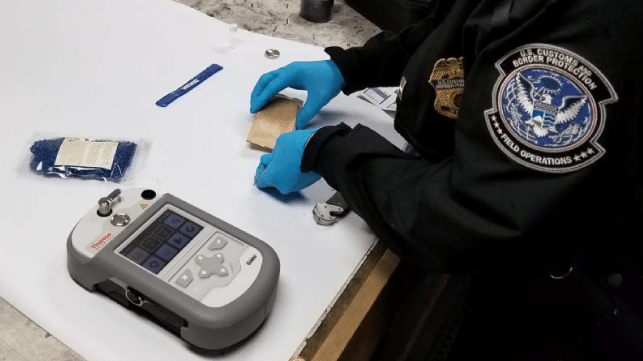
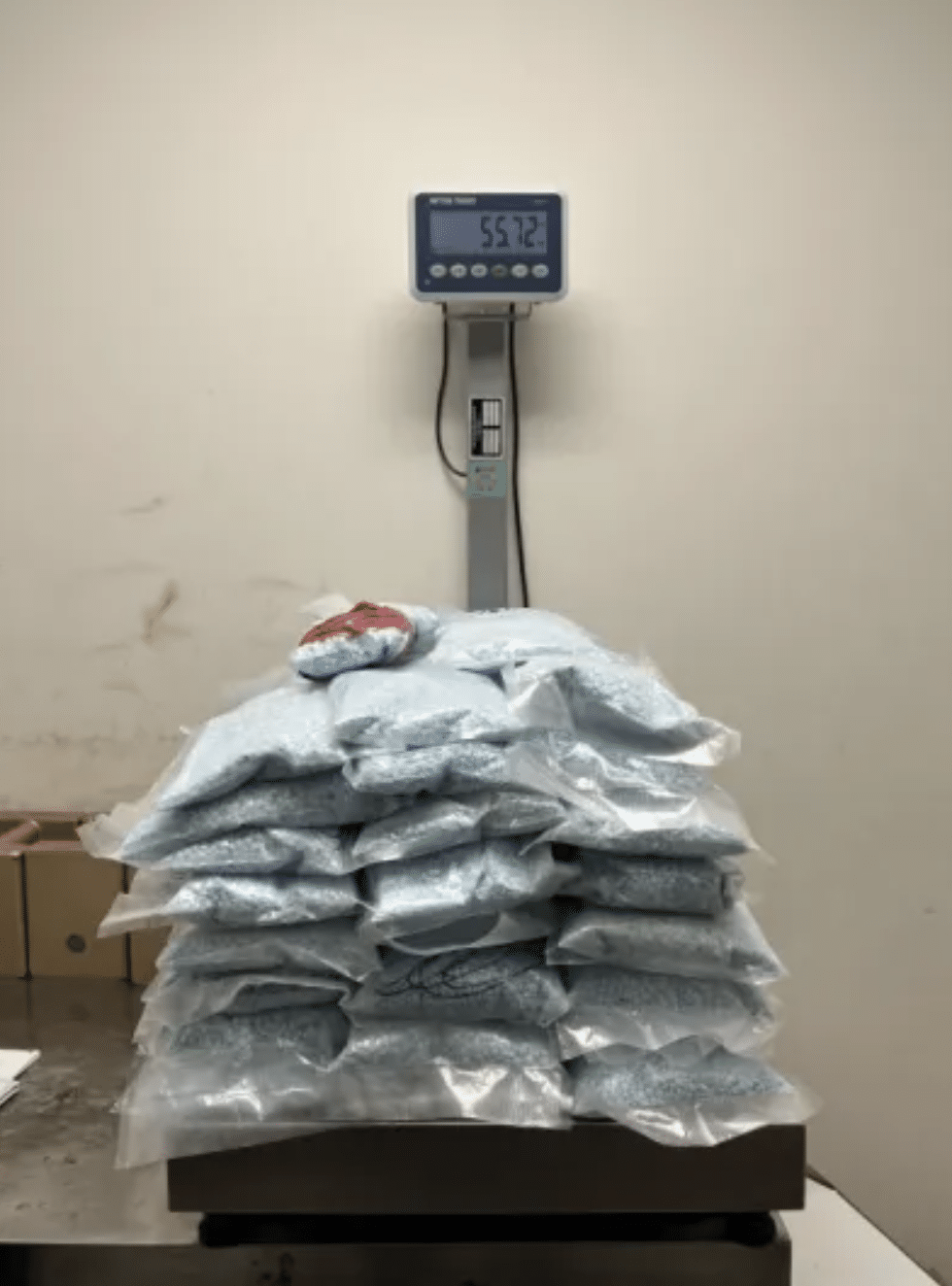
Top image (cropped) via Government Accountability Office. Inset image via Customs and Border Protection.