The Drug War Myths People Still Believe
Fentanyl Is in Everything Around 2013, fentanyl started percolating in the United States ...

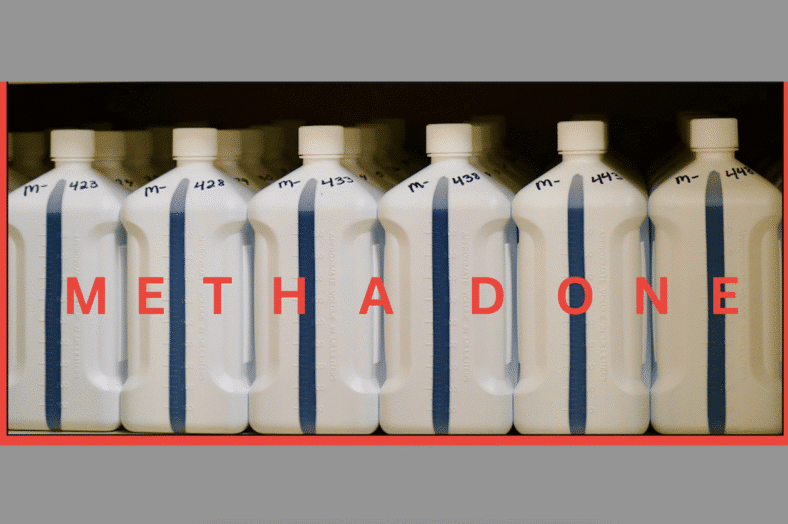
MOTAA 2.0 Is Not Real Methadone Reform
The Modernizing Opioid Treatment Access Act (MOTAA) is back. An updated version was reintroduced ...


Finding Optimism in the Tobacco Harm Reduction Maelstrom
In my worst moments, reporting on the tobacco harm reduction space, as I’ve been ...


Harm Reduction at Sea: Tight-Knit Fishing Communities Navigate Drugs
The setting sun shines a crown of pink light through the windows of a ...

Former clinic director Janet Urdahl describes the system’s culture of cruetly, power imbalance and profit motives.
Filter sits down with Dr. Marewa Glover, to discuss New Zealand’s successful adoption of tobacco harm reduction.
Participants in a vaping group, held at a pioneering New York syringe service program, describe their experiences of switching from cigarettes.

A Harm Reduction Guide to Better Booty-Bumping Kits
Every drug user I talk to regularly has heard my case for putting drugs up your butt. It’s a conversation ...


“Moral Bankruptcy” as WHO Opts to Maintain Global Coca Prohibition
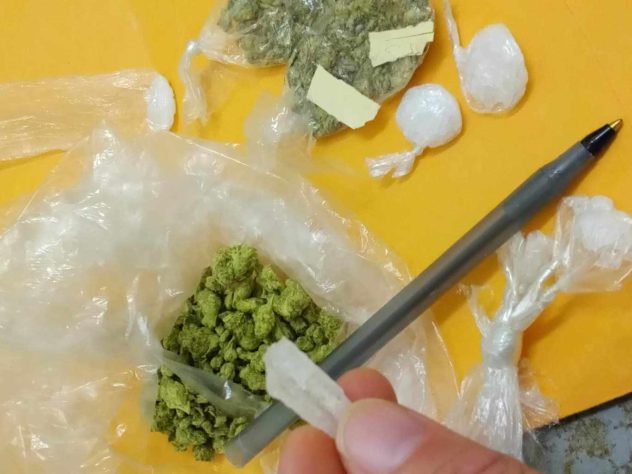
The World Health Organization had a historic opportunity to ease a strict global ban on the coca leaf—a prohibition, campaigners ...



How I Use Short-Tip Needles: A Harm Reduction Guide
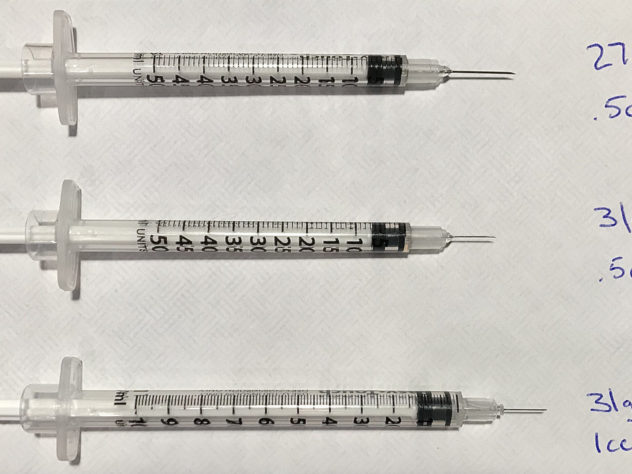
[This article contains photographs and descriptions of injecting.] I‘ve been using opioids for 20 years, but injecting didn’t become ...

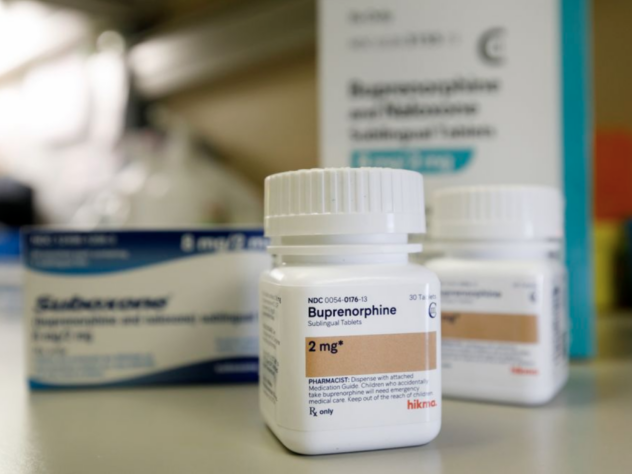

Deep Systemic Change: My 10 Steps to Transform Addiction Treatment
As panel after summit after commission after white paper is put forward claiming to solve the overdose crisis, you’d think ...
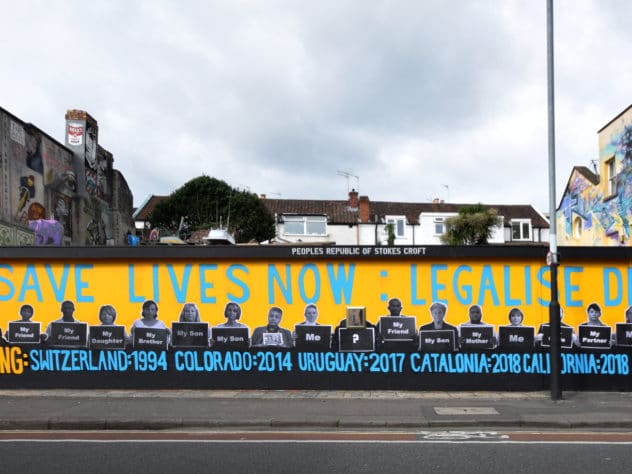

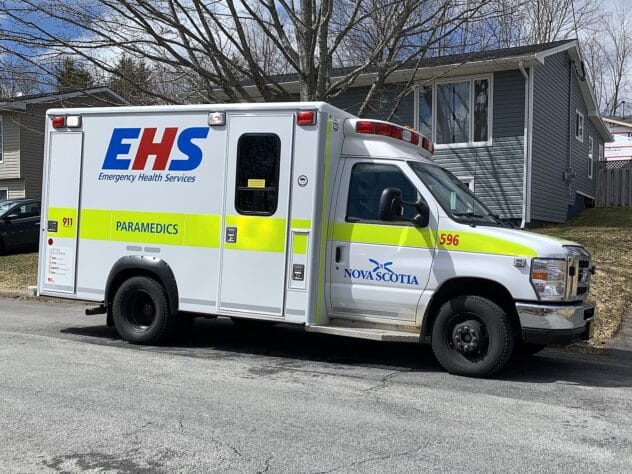


There Are Multiple Routes to Prisoner Naloxone Access. These Are the Best.
[Read Part 1 of this series here] So far only one prison in the United States has an Overdose Education ...


I Chose Fentanyl Over the Humiliation of Methadone Treatment
I already knew that my methadone clinic didn’t give a fuck about me or my fellow patients—that much was clear ...




Prisons Crush Almost All LGBTQ+ Organizing. Our Community Survives.
My name is Tavaria, but people call me Varia, T, Mama T or Queen. Ten years ago, I founded Be ...