
In September 2024 the Centers for Disease Control and Prevention released data showing that overdose mortality, which had been climbing sharply for a decade, had recently reversed course. Credit has been variously attributed to the Biden administration, the Trump administration, the harm reduction movement and the fact that many of the people at highest risk have already died. A new paper published in Science argues that the turnaround is largely due to “supply shock”—in this case, “a major disruption in the illicit fentanyl trade, possibly tied to Chinese government actions.”
After rising almost every year since the CDC began tracking it in 1999, overdose mortality peaked in 2022 with 107,941 recorded deaths. Then around 2023 it began to decline, and has continued to decline dramatically. The CDC’s provisional overdose death count page shows 73,690 recorded deaths for the 12-month period up to April 2025. A separate, more recently updated CDC page shows a 12-month death count that’s even lower—67,376 deaths between June 2024 and May 2025.
One factor that might not be getting enough credit is that we’re no longer in a pandemic. Beyond that, while “supply shock” seems to make sense as a primary driver of the reduction in deaths, this doesn’t necessarily mean the supply has been reduced. And, as the authors note, “we should not assume that the reductions will continue much longer.”
A decrease in fentanyl purity does not automatically translate to a decrease in supply.
Decreased purity of drugs sold as fentanyl could definitely be a main factor, and there’s a lot more evidence for that than there is for decreased supply of drugs sold as fentanyl. That’s not to say that the supply hasn’t decreased, just that one does not automatically translate to the other. A drop in fentanyl purity doesn’t necessarily mean fewer fentanyl-pressed pills or bags of fentanyl powder are being sold; just that they contain less fentanyl.
The Science paper doesn’t exactly conflate the two, and does discuss the decrease in fentanyl purity on its own terms. But the framing of a “reduced supply” invites people to think that fentanyl-based drugs have become less available, particularly since that’s how the DEA and most media outlets talk about it, too.
The paper’s primary evidence for an actual supply reduction comes from a search of Reddit posts related to “fentanyl drought,” which does seem to indicate a sharp uptick in interest around the topic. But, as the authors acknowledge in their research, “Reddit data is not representative of the population of fentanyl users. Rather, Reddit data only reflects the behaviour of Reddit users who post and comment in the r/fentanyl community.”
History shows us that supply disruptions can have a profound effect, and in the case of opioid supplies can even be associated with fewer deaths. But the only way to conclude that supply disruption has had long-term benefits is through a really, really myopic reading of the data that avoids the larger effects on public health and in the criminal-legal system, or what happened after the dust settled.
Supply disruption is usually a catalyst for new harms, which usually negate or outweigh any decrease in the original ones.
“Over the decades,” study coauthors Peter Reuter and Jonathan Caulkins wrote in a Washington Post op-ed, “there have been a number of instances when other types of supply disruption—such as closing down a major supply route to Australia in 2000—have been accompanied by appreciable declines in drug-related harms.”
The first source hyperlinked, which shares some of the same authors as the new Science paper, covers the Taliban’s disruptions of heroin poppy cultivation in Afghanistan. Those have been ushered in a variety of new harms, while shifting the market elsewhere. The second source concludes that “proponents of supply-side drug law enforcement need to be mindful of the unintended adverse consequences that might flow from successfully disrupting the market for a particular illegal drug”—as was the case for heroin supply in Australia.
“Though I have not followed recent commentary on the Australian heroin drought of 2000, until a few years ago I am confident that a fair reading of analysis would show substantial benefits,” Reuter, a professor in the School of Public Policy and department of criminology at the University of Maryland, told Filter, “even though methamphetamine use increased in the immediate aftermath.”
The Science paper cites two other examples: China’s scheduling of carfentanil in 2017, which preceded a slight decrease in overdose deaths in 2018 before the rate began to climb again in 2019; and tighter regulation around methamphetamine precursors in the 2000s, which “reduced availability and harm from that drug for at least some months.” After those months, there was a substantial increase in meth availability, potency, use and harms. Particularly the criminal-legal harms.
What this all points to is that supply-side disruption of a particular substance can, in the short term, decrease the use and direct harms of that substance. But in the long term it’s usually a catalyst for new harms, which usually negate or outweigh any decrease in the original ones. Today people are reckoning with overdose response complicated by medetomidine, and media and law enforcement are using the emergence of every new nitazene or fentanyl analog to steer the nation toward 20-year mandatory minimums, civil commitment, immigration raids and extrajudicial killings in the Caribbean.
The DEA and the broader Trump administration aren’t specifically claiming credit for the drop in fentanyl purity, but they’re certainly claiming credit for the drop in overdose deaths. The narrative is that disrupting the drug supply reduces drug use and saves lives, and therefore we need to escalate the drug war.
If supply shock is primarily responsible for the turnaround in US overdose deaths, then the benefits are a lot more clear and significant in this case than with perhaps any other in history. But that’s probably not how we’ll look back on it a few years from now.
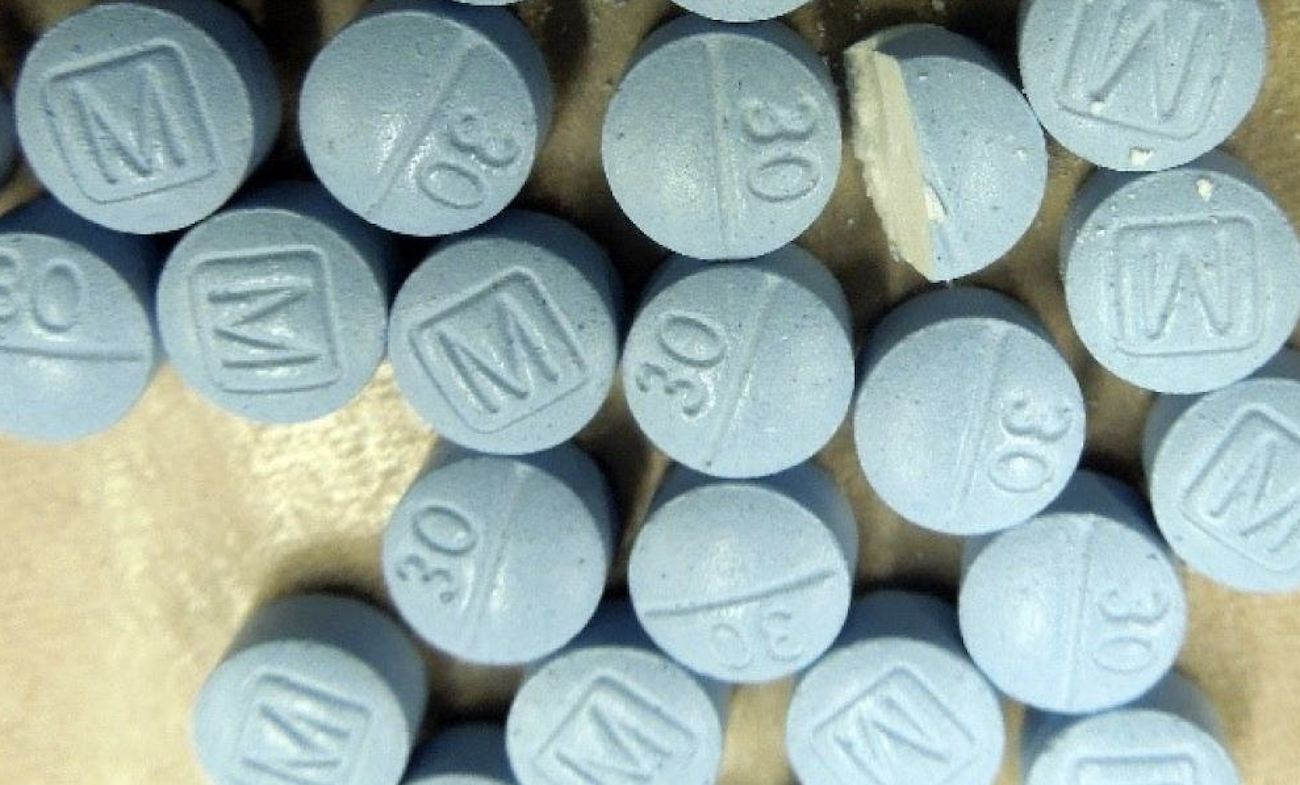
Image via Drug Enforcement Administration