

Malaysia is set to ban sales of all vaping products, phasing them out by mid-2026.
The decision follows a period of uncertainty and U-turns. The government declared in 2023 that it would regulate vapes, but soon appeared to pull back on that idea, before floating it again. On September 25, Health Minister Datum Seri Dzulkefly Ahmed confirmed the new plan, saying, “It is no longer a question of if we ban, but when we ban.”
Dr. Sharifa Ezat Wan Puteh is a public health physician and professor in Malaysia. She said the government’s latest decision is a reaction to the existence of a completely unregulated market, with novel synthetic drugs found in some e-liquids, and particular concern over harms to youth.
“Unfortunately, currently the regulation and policing of e-cigarettes does not go through a lab test for toxicology and safety net as is in the United Kingdom and the European Union,” Wan Puteh told Filter.
But a blanket ban on vapes “will punish licit vendors” just as much as unscrupulous ones, she continued. “Some of these vendors are exporters of e-cigs, and their products are meticulously scrutinized before they make it to users.”
It’s likely to punish consumers even more, in a country where men, in particular, have a very high smoking rate—at an estimated 38 percent. According to the Coalition of Asia Pacific Tobacco Harm Reduction Advocates (CAPRHA), 68 percent of Malaysians who’ve quit smoking credit vapes with helping them to do so. If they can no longer access nicotine vapes, that will risk increasing the country’s annual total of 24,000 smoking-related deaths.
“If they are so worried about drugs or youth, the last thing that makes sense is to ban something so that the illicit market provides the supply to meet the demand.”
And ironically, tobacco harm reduction advocates say, reacting to adulterated vapes with a ban will completely surrender the market to illicit operators, which is likely to see the country flooded with more unvetted, potentially harmful products.
The global illicit vape market has reached unprecedented levels, according to a recent analysis from Euromonitor. In 2024, it amounted to 605 billion products. The report attributed the rise to countries imposing more restrictions and bans on safer nicotine options.
This effect is well-documented in Malaysia’s neighboring countries. Illicit vape sales have skyrocketed under Thailand’s draconian vape policies. And Singapore, where vapes have been banned since 2018, has seen a recent reported increase in drug-laced vapes—to which the government has reacted by imposing harsher penalties.
“Singapore’s experience is a cautionary tale,” Samsul Kamal Ariffin, president of the Malaysian Organisation of Vape Entity (MOVE), a nonprofit advocating for regulated tobacco harm reduction access, told Filter. “Their ban didn’t eliminate demand—it simply re-routed it to the black market.”
With unregulated imports and counterfeit products already seen in Malaysia, he continued,”If we follow the same path, we’ll see a surge in illicit trade with dangerous consequences for public health.”
His fears are echoed by Nancy Lucas, CAPHRA’s executive coordinator. “Bans solve nothing; they just create more illicit markets,” she told Filter. “If they are so worried about drugs or youth, the last thing that makes sense is to ban something so that the illicit market provides the supply to meet the demand.”
“Many tobacco control lobbyists see harm reduction as another hideous tentacle of Big Tobacco, fishing youngsters into the tobacco ‘gateway effect.’”
The experts agree that Malaysia needs to formally legalize and regulate vapes to avoid this fate.
“Regulation, education and consumer empowerment must be the pillars of our approach,” Ariffin said. But the balance of supporting both abstinence and harm reduction options to improve public health won’t be reached if decision-makers view tobacco harm reduction advocates with disdain.
“Many tobacco control lobbyists see harm reduction as another hideous tentacle of Big Tobacco, fishing youngsters into the tobacco ‘gateway effect,’” Wan Puteh said.
Research that supports vapes as harm reduction is often dismissed as “tobacco-sponsored,” she added. “Even true science and robust methodologies are all neglected and pushed aside to make way for total abstinence model.”
This absolutist view of what smoking cessation should look like does the most damage in low- and middle-income countries where smoking is most prevalent. In India, for instance, where vapes have been banned since 2019, cigarette sales rose by 8 percent from 2022-23.
“Addiction is not an easy [thing] to cure, and safer alternatives will save lives,” Wan Puteh said. “This is especially true among users who are mentally impaired, low-income earners, people who experience stress and anxiety.”
“Governments must include a safer choice for smokers that are unable to quit the traditional way,” she continued, adding that medical prescribing can be one point of access, and that technology can be used to “safeguard against young users.”
“We are at a fork in the road. If we choose prohibition, public health will lose.”
Dismantling Malaysia’s booming vape market would also threaten the livelihoods of over 30,000 workers. And according to the Malaysian Vape Chamber of Commerce, the industry generated RM 3.48 (approaching $1 billion US) for the economy in 2023. This is one of the reasons Ariffin doesn’t “foresee a full federal ban materializing in Malaysia.”
“The political and economic realities make such a move highly impractical,” he said. “What’s more likely to happen is a patchwork of local enforcement, selective crackdowns and regulatory ambiguity.
Nonetheless, he continued, “We are at a fork in the road. If we choose prohibition, public health will lose. The black market will flourish and consumers will be exposed to unsafe and untested products. Retailers will lose their livelihoods and the government will forfeit valuable tax revenue.”
Ariffin urged Malaysia’s government to opt instead for a “consumer-friendly regulation framework where everyone wins.”
“Regulation is not a compromise,” he said. “It’s a solution.”
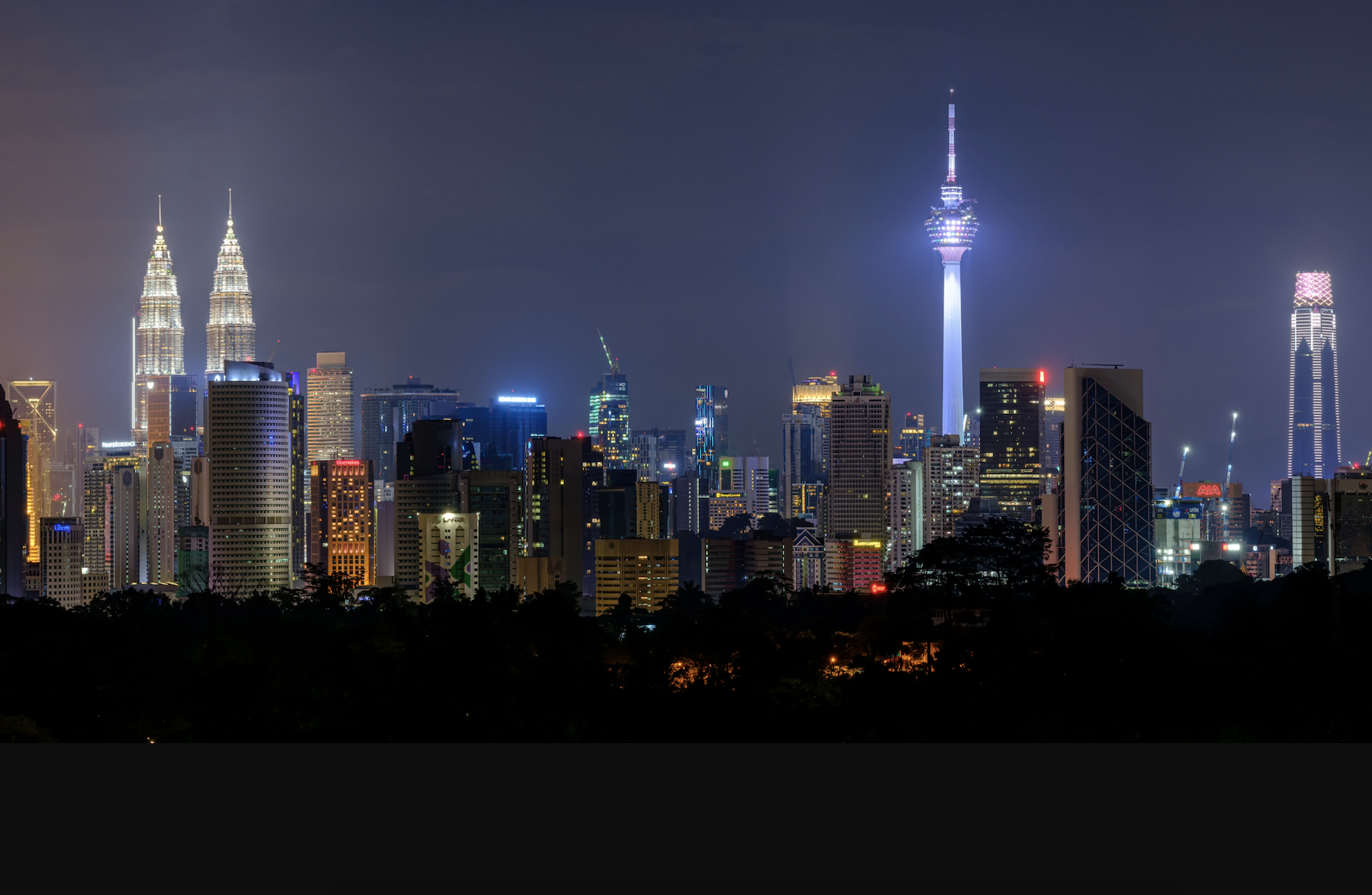
Photograph (cropped) of Kuala Lumpur by Lee Wei via Wikimedia Commons/Creative Commons 2.0