

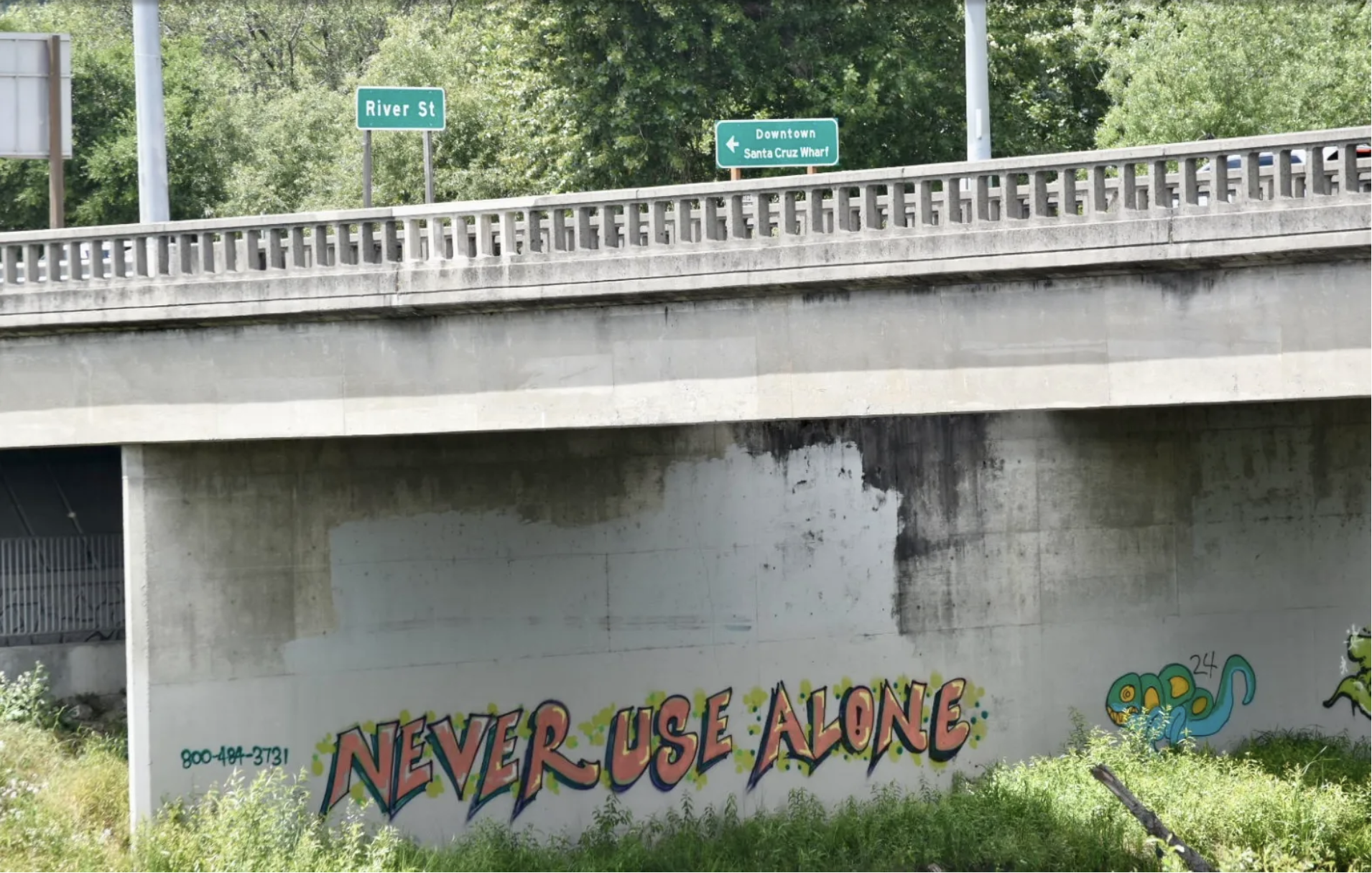
A syringe service program (SSP) in Santa Cruz, California, is back on its feet after losing its license amid backlash from law enforcement and local harm reduction opponents. In a June 30 newsletter, Harm Reduction Coalition (HRC) of Santa Cruz County announced that sterile syringe distribution was up and running again.
The California Department of Public Health had reinstated the program’s license in December 2024. HRC leadership told Filter that they resumed services earlier in 2025, but initially kept a lower profile as they assessed their funding and resources.
In 2020, Grant Park Neighborhood Association filed a lawsuit against HRC with the goal of shutting down syringe services. After HRC won that case, Grant Park filed an appeal and sued the health department, arguing that as a state-run program HRC’s use of volunteers to distribute syringes put it “in direct conflict” with the separate, county-run SSP.
The county SSP did not object to HRC’s operations. But a Superior Court judge in Sacramento agreed with Grant Park, and in late 2023 HRC’s license was revoked.
Other services like naloxone distribution and wound care were allowed to continue, as those don’t involve supplies criminalized as drug paraphernalia. But the deauthorization cost HRC their California Clearinghouse funding. This is a partnership between the CDPH and the Dave Purchase Project/NASEN that covers a substantial share of resources for HRC and many harm reduction providers.
“We saw a massive drop in the participants who we could stay in contact with.”
“We saw a massive drop in the participants who we could stay in contact with,” HRC Executive Director Anna Koplos-Villanueva told Filter. “That meant a lot less Narcan out in the community, lower engagement rate [with] wounds and abscesses that needed clinical support. We had to offer fewer rides to connections and referrals … losing that funding means we lost access and the ability to get people what they need in other aspects of their lives.”
HRC began working on the application for reauthorization immediately. Part of this process involved soliciting public comment and, based on feedback from law enforcement, developing new operational guidelines that ultimately included a ban on syringe distribution in public parks. HRC founder Denise Elerick told Filter that the organization hadn’t been doing syringe distribution in parks. But the police-driven fearmongering around so-called “syringe litter” made this a flashpoint in HRC’s fight for reauthorization anyway.
“The impacts of these programs might be proven or beneficial from a public health standpoint, but they don’t help from a public safety perspective,” Santa Cruz Police Chief Bernie Escalante claimed according to Santa Cruz Lookout.
This is inaccurate. SSP are associated with reductions in the number of used syringes discarded in public, not increases, and needlestick injuries are neither as prevalent nor as dangerous as the public is often led to believe anyway.
“We’ve never met with our police chief. He’s never reached out to us directly to discuss any aspect of our operations or his concerns.”
While the health department was in discussions with the Santa Cruz Police Department, HRC was not privy to them. Elerick and Koplos-Villanueva told Filter that their organization made repeated efforts to contact the SCPD by phone and email, but never received a response. But while California police departments can consult with state health officials about SSP, they do not have the power to approve or deny their operations. So HRC was able to get reinstated, but the dynamic with SCPD brings some uncertainty about what may happen next.
“We’ve never met with our police chief. He’s never reached out to us directly to discuss any aspect of our operations or his concerns,” Koplos-Villanueva said. “The biggest issue of why [distribution in parks] is coming up with police departments is they are not as well aware of the science and research of harm reduction programs reducing syringe litter in the community.”
Similar campaigns against syringe distribution have targeted SSP in other California jurisdictions like Eureka and Chico. In April 2024, the city council of Santa Ana in Orange County voted unanimously to issue a resolution stating its “strenuous opposition” to a proposed SSP. In October 2021, Governor Gavin Newsom (D) signed a bill that protected SSP from bad-faith lawsuits that cited environmental impact, a tactic that was becoming increasingly popular.
Image via Harm Reduction Coalition of Santa Cruz County