
Vaping in cars carrying children could be banned in England under new proposed measures designed to reduce secondhand smoke and vapor exposure.
Harm reduction advocates say this damagingly conflates vaping with smoking in the public eye, won’t protect kids in any meaningful way, and contributes to a worsening national climate for tobacco harm reduction.
The United Kingdom government opened a 12-week public consultation on February 13, “seeking views on proposals to extend smoke-free laws to certain outdoor public places and introduce heated tobacco-free and vape-free restrictions.” It concerns England only, as devolved governments in the rest of the UK will have their own processes.
Besides vehicles with kids present, playgrounds and areas outside schools are also among spaces where vaping and use of heated tobacco products could be banned.
The consultation will inform how the government would use new regulatory powers under the controversial Tobacco and Vapes Bill that’s currently going through parliament. The potential new measures are presented as part of the government’s 10-year preventative health plan to ease pressure on the National Health Service.
The proposed car-vaping ban is particularly startling, as it applies to what people often regard as private spaces. But England wouldn’t be the first country to do this. New Zealand implemented a ban on vaping in vehicles carrying minors in 2021. One opponent of that measure is Dr. Marewa Glover, a behavioural scientist and tobacco harm reduction advocate in New Zealand.
She told Filter that the law has proved impossible to enforce—not a single fine has been issued—and called it “wasteful of public resources.” She said the ban also stigmatizes groups authorities consider “recalcitrant.”
“Groups targeted are those with disproportionately high smoking rates, that is those on the lowest incomes, Māori and Pacific Island peoples,” Glover said.
Ultimately, the ban is an “exercise in narrative manipulation,” she concluded, instigated because “anti-vaping academics wanted the public to believe that vaping was as bad as smoking.”
“The risks from vapor are an order of magnitude lower.”
The evidence says otherwise—including on the question of secondhand vapor versus smoke, and including when it comes to kids.
Harry Tattan-Birch is a researcher at University College London’s Department of Behavioural Science and Health. Having conducted studies looking at vape aerosol and smoke exposure in children, he is one of numerous academics voicing concerns about the UK proposals.
Dr. Tattan-Birch agrees with the government that reducing children’s exposure to secondhand cigarette smoke is important, saying its harms are “well-established.”
But, he told Filter, “the risks from vapor are an order of magnitude lower.”
“E-cigarettes involve no combustion and produce no continuous sidestream emissions,” he continued, “so bystanders are exposed to far fewer toxicants and generally at much lower concentrations.”
“Banning vaping in cars carrying children would reduce exposure in a confined space where aerosol can accumulate, but given that the absolute health risks are probably small, this needs to be weighed carefully against other concerns,” Hattan-Birch said.
“Shallow crowd-pleasing theater with no serious underpinning foundations.”
Critics say that while the proposed measures are based on supposed risks to children’s health, enactment and enforcement could carry much bigger health risks—to adults who have switched from cigarettes to safer nicotine products, to those who might be dissuaded from doing so, and subsequently to their children.
“Before the government enacts anti-vaping legislation it needs to know what problem it is trying to solve and how serious it is, how likely it is to succeed with its proposed measures and what sort of unintended consequences might follow and end up making things worse,” British tobacco harm reduction expert Clive Bates, of Counterfactual Consulting, told Filter.
In that light, he dismissed the current proposals as “shallow crowd-pleasing theater with no serious underpinning foundations.”
One strange aspect is that in areas outside hospitals and health care facilities, vaping would still be permitted in recognition of its role in smoking cessation—but use of heated tobacco products (HTP), another safer substitute for cigarettes, would be banned.
Richard Pruen gave up smoking with the help of vapes. Based on his lived experience, he is acutely aware of the importance of safer nicotine products—especially to people with mental health conditions, given very high smoking rates in that population. He has successfully campaigned to get vapes recognized and accepted as safer alternatives to smoking in British health care settings.
“As far as risk goes, there is no reason to forbid HTPs outside,” Pruen told Filter. “They are much safer than cigarettes; there is also far less risk from secondhand emissions.”
“Punishment for doing the right thing.”
If the new vape-free proposals are implemented, the government states that “enforcement would mirror existing smoke-free laws,” which apply, for instance, to the public transportation network. That means you could be prosecuted and fined up to £200.
Apart from potentially subjecting people to this, tobacco harm reduction advocates say the bigger issue is the message being sent.
Vaping is the UK’s most successful smoking cessation method. And 2025 saw a landmark moment when vaping overtook smoking in Britain. Yet over 6 million people still smoke in the country, which suffers over 75,000 annual smoking-related deaths. And shockingly, due to widespread misinformation, 53 percent of Brits who smoke believe that vaping is as harmful as smoking or worse.
That’s a problem the government proposals will exacerbate, according to Martin Cullip, a British tobacco harm reduction advocate who has written for Filter. He called them “astonishingly ignorant and damaging,” and said they risk “doing real harm.”
“The UK’s own public health reviews have repeatedly found no meaningful risk to bystanders from vaping, yet ministers now want to treat vaping the same as smoking,” Cullip told Filter. It amounts, he said, to “punishment for doing the right thing.”
For such reasons, the New Nicotine Alliance, a charity representing UK consumers, has called the proposals “a mistake and an unnecessary legislative overreach for which there is no justification.” It’s urging supporters to submit their views and experiences to the government’s consultation process, which closes on May 8.
“If the government is serious about reducing smoking, it should not stigmatize the very products helping people quit,” Cullip said. “Everyone who has successfully stopped smoking with the help of vaping should respond to this consultation and strongly object to these plans.”
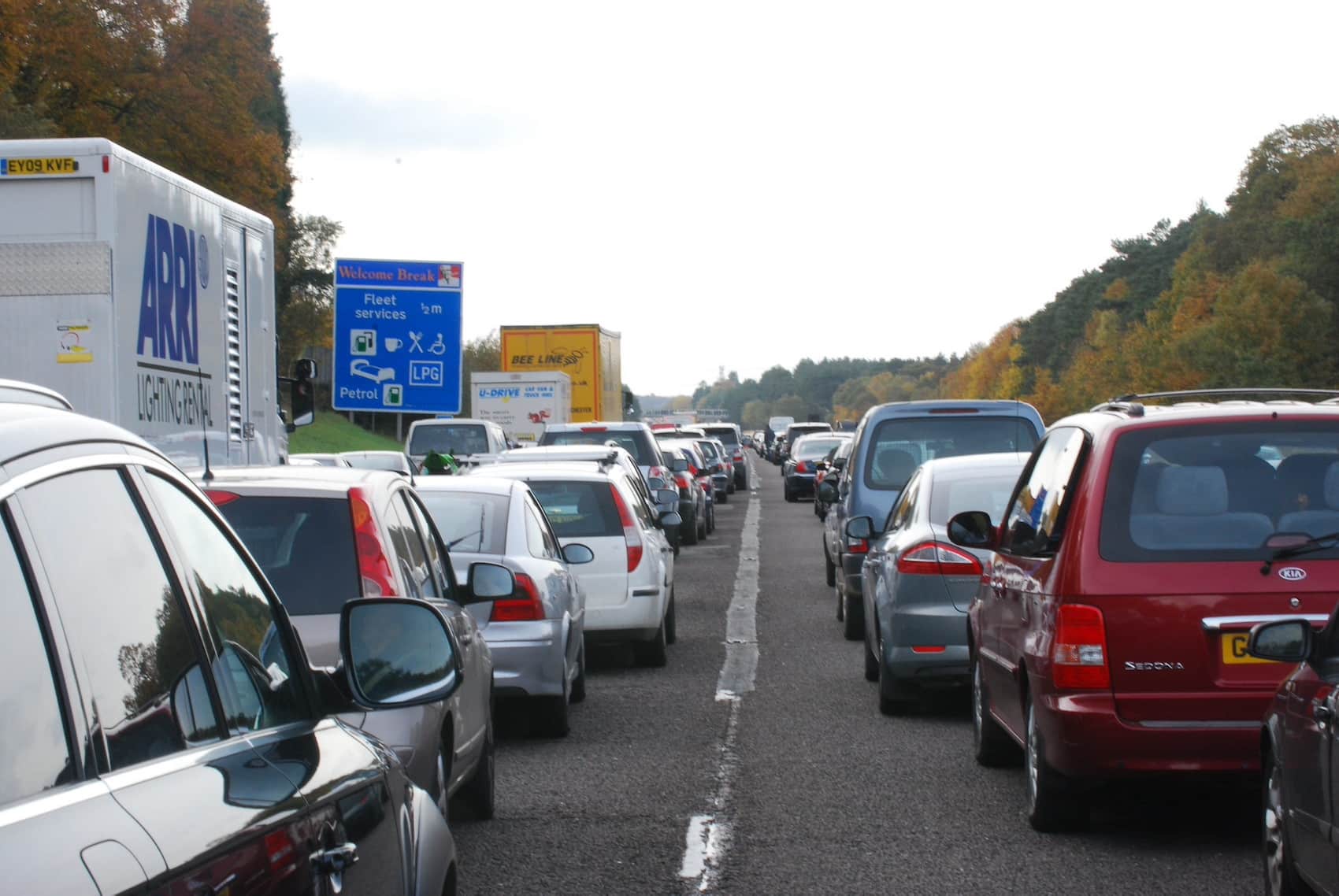
Photograph by Paul Appleyard via Flickr/Creative Commons 2.0