
Fentanyl, Involved in My Son’s Death, Is No “Weapon of Mass Destruction”

    In December, the federal government announced it would classify illicit fentanyl as a “weapon of mass destruction.” Having buried my son after his fentanyl-involved overdose, I understand the desperation that might cause people to support such a declaration. When your child dies, you want the country to finally treat the crisis with the gravity it deserves. But my son’s struggle taught me that extreme, punitive measures will lead us further away from what would have saved him and countless others.

    Calling fentanyl a “weapon of mass destruction” may sound powerful, but it risks misleading grieving families into believing that military action is an answer, when in fact it is liable to result in more preventable deaths.

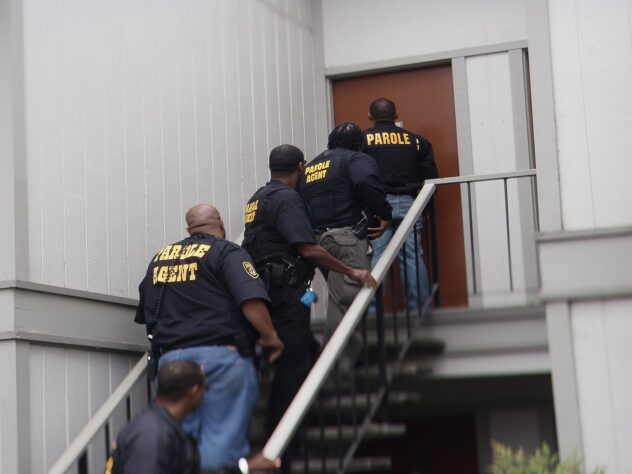
    Fentanyl has not been declared a weapon of mass destruction in the way nuclear, biological or chemical weapons are defined under international law or the Chemical Weapons Convention. Instead, President Donald Trump’s executive order is intended as a domestic means to expand enforcement, enhance criminal penalties and elevate certain trafficking cases under national security statutes.

    If the Trump Administration truly believed that illicit fentanyl is being used as a weapon of war, then why wouldn’t it classify overdose deaths as casualties of war? But designating fentanyl a WMD does not trigger compensation for grieving families. It does not create new funding for overdose prevention or substance use disorder treatment. It does not reduce stigma or change how impacted families are treated by doctors, courts, schools or child-welfare systems. 

    Families like mine should not place false hope, then, in a label that will only serve to justify the expansion of the drug war, at home and abroad. Military responses to public health problems will not save lives or heal our pain. 

    There is a critical difference between deliberate mass poisoning and the predictable mass death created by prohibition, an unregulated supply, untreated pain and systemic neglect.

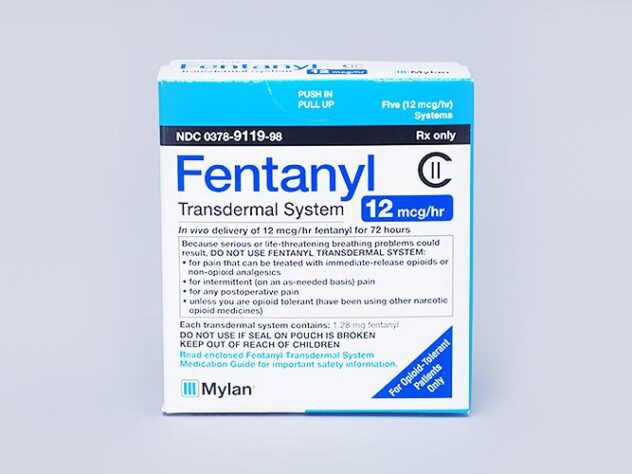
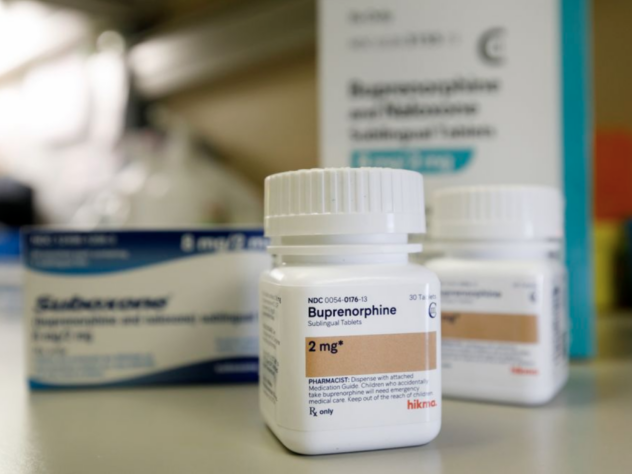
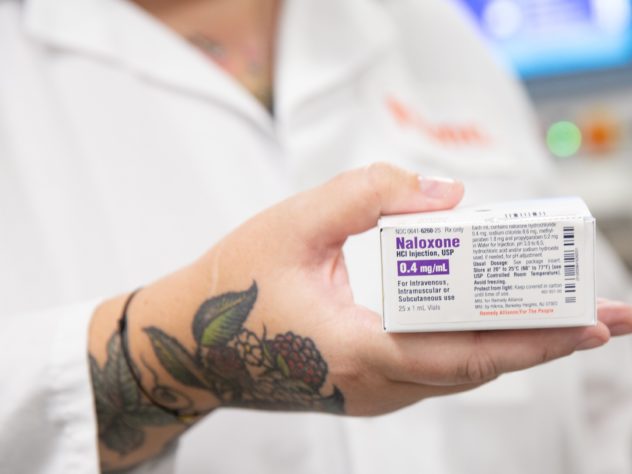
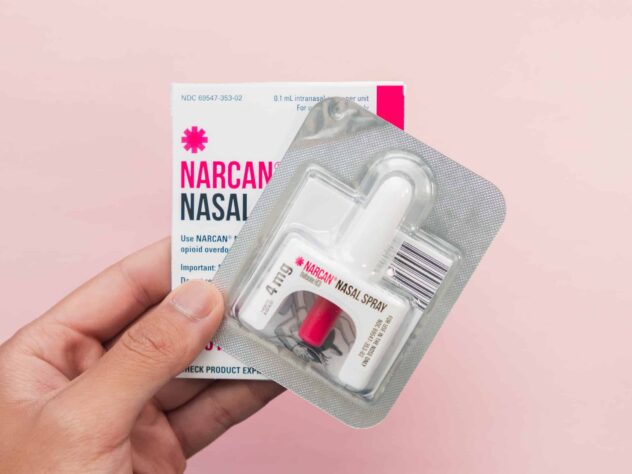
    There is no question that fentanyl is involved in deaths at an appalling scale. In 2024, over 80,000 people in the United States lost their lives to overdoses, the majority fentanyl-related. Recent data show declines in overdose deaths. But those reductions are linked to access to harm reduction tools like naloxone and fentanyl test strips, evidence-based treatments like methadone and buprenorphine, and other health resources—not to increases in the enforcement and punishment that have dominated US drug policy for many decades.

    There is a critical difference between deliberate mass poisoning and the predictable mass death created by prohibition, an unregulated supply, untreated pain and systemic neglect. When fentanyl is framed as a weapon of war, the policy response shifts toward fearmilitarization, surveillance, arrests and incarcerationinstead of interventions that keep people alive.

    It is far easier, politically and emotionally, to point outward, to blame China, Venezuela or other external scapegoats, than it is to reckon with our own failures. It is easier to frame this crisis as an attack than to confront the truth: Our regulatory systems are deeply flawed, our health care system routinely abandons people in pain, our drug policies push suffering into the shadows and stigma blocks investment in effective care.

    My son was not an enemy combatant, nor a victim of war waged by foreign adversaries. He was a human being seeking relief from physical and psychological pain in a system where mental health care, treatment or safe housing are far harder to obtain than unregulated drugs.

    The author’s son, Tyler, in 2019


    Like many parents, I believed that if I followed the rules, trusted experts, respected the law and had faith in our health care system, my child would be protected. After my son’s funeral five years ago, I went searching for answers. 

    What I learned was devastating: My son died because I believed in systems that were never designed to protect him. Worse, those systems convinced me that punitive drug policies were keeping him safe when they were actively putting him at risk. 

    For years, parents like me have been told: If your child uses drugs, they should be treated as a criminal. If you show compassion, you are enabling their bad choices. If you support them too much, you will love them to death.

    These narratives do more than misinform us. They teach parents to doubt their instincts. They pull families into systems that punish rather than heal. And when children die, parents are left not only with unbearable grief, but with relentless guilt manufactured by decades of dishonest policy.

    Families like mine do not need another declaration of war. Our children who are gone deserved better. Those living still do.

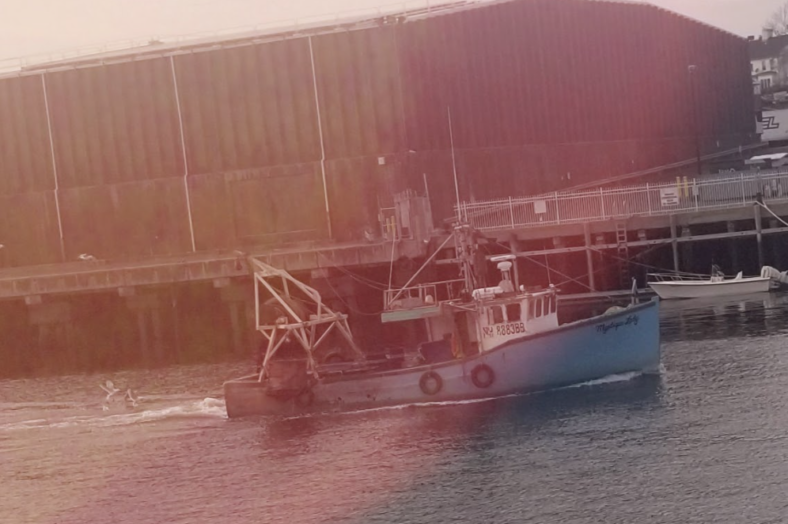
    Today, I watch that same dynamic unfold on a national scale. While the public is shown images of boats being bombed and warned about foreign enemies, the facts tell a different story: Fentanyl overwhelmingly enters the US through legal ports of entry, most often trafficked by US citizens. 

    The hypocrisy is staggering. At the same time the administration claims to be acting in our children’s names, it has proposed enormous cuts to naloxone funding, attempted to dismantle SAMHSA, and supported policies that increase barriers to Medicaid coverage for people with substance use disorders

    Here is the truth that no amount of militarization can erase: People use drugs for reasons. In many cases (though by no means all), they are trying to survive pain, trauma, isolation, untreated mental illness and despair. When care is inaccessible, substances fill the gap.

    You cannot bomb your way out of that reality. You cannot punish pain out of existence. And you cannot prevent overdose deaths by doubling down on the very policies that created the conditions for them.

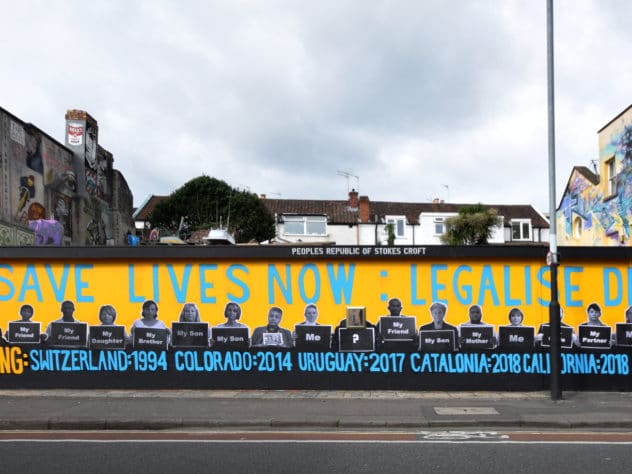
    What would have saved my son, and thousands of others, is not expanded force or symbolic labels. It is making evidence-based, compassionate mental health and substance-use treatment accessible to all. It is ending the criminalization of drug use. It is replacing a dangerous unregulated supply with a regulated one. And it is taking accountability for domestic policy failures, instead of exploiting and misdirecting grief by pointing the finger overseas.

    Stigma is the reason fewer than one in 10 people with substance-use disorder seek help. Criminalization is the root of that stigma. Over a million people have died of overdose in a country that chose punishment over care and symbolism over solutions. Families like mine do not need another declaration of war. Our children who are gone deserved better. Those living still do.


    Top image via Goodfon/Creative Commons 4.0

    • Susan is the executive director of the Vilomah Foundation and a national advocate for drug policy reform. After losing her son to an overdose in 2020, she has worked to expose the harms of punitive drug policy and advance public-health-centered solutions. She lives in Bucks County, Pennsylvania.

    You May Also Like