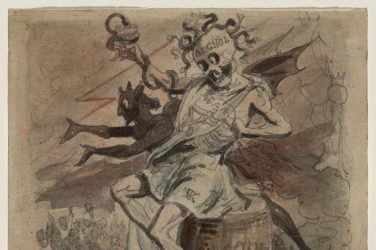


Public health was never supposed to be a game. It’s a promise: to protect life, reduce suffering and honor every person in the process. That’s the only kind of result worth reaching. I’m tired of the nicotine space feeling like a war game, consumed with strategic maneuvering. Why can’t we see that the tally is made up of tombstones?
Every December, the world marks Universal Human Rights Month and Human Rights Day on December 10. The 2025 theme, Everyday Essentials, reminds us that human rights are basic conditions of life, like health, housing, safety and the freedom to make our own choices.
Many tobacco control authorities focus on youth’s “right to health” by preventing nicotine “addiction”—which, even if we accept the premise of addiction existing in the absence of severe harms, does not kill. Why can’t the same people wrap their heads around an adult’s right to health by helping them quit deadly cigarettes?
In tobacco and nicotine policy, one word has come to dominate global conversations about health and morality, often in ways that lose sight of those human-rights essentials: endgame. An endgame that feels more like the ill-fated drug war than a movement to improve public health.
Unfortunately, a consensus on what the “endgame” actually is has never been reached. For some, addressing smoking is not enough.
In chess, the endgame is characterized by just a few pieces remaining and every move being crucial. It’s a tense final stage. The word entered the tobacco control lexicon over a decade ago, describing the “final phase” of the campaign against smoking: It hinted at a future with little or no combustible tobacco use and far fewer deaths. It sounded bold, even heroic. Who wouldn’t want to end the suffering caused by smoking?
Unfortunately, a consensus on what the “endgame” actually is has never been reached. For some, addressing smoking is not enough. For them, the endgame stopped meaning the end of death and disease from smoking, and started meaning the elimination of nicotine itself.
That shift matters. Words steer policy, and policy shapes lives. When we refer to a public health goal as an endgame, we turn it into a contest. Games have sides, opponents, winners and losers. In that framing, people who use nicotine start to look like the problem to be defeated. It may not be anyone’s intent, but that’s how it lands.
I’ve watched this play out: flavor bans that wipe out safer alternatives while cigarettes stay on every corner; punitive taxes that hit hardest those with the least; campaigns that trade empathy for shame. Even news coverage sounds like battlefield casualty updates.
Somewhere in all this competition, the humanity of the people most affected gets lost, and that’s when public health becomes inhumane.
When the goal becomes eradication instead of transformation, people become collateral damage.
Many in tobacco control defend the word, saying the endgame targets the tobacco industry, not individuals. I appreciate that distinction, but it’s not as clean as it sounds. Industries don’t vanish in a vacuum. Every supply-side policy echoes through the lives of real people—those who use nicotine, those who’ve switched to avoid smoke, and those who make a living in small shops selling these products.
When the goal becomes eradication instead of transformation, people become collateral damage. If regulation eliminates safer products faster than deadly ones, or if stigma drives people away from care, or if prohibitions boost unregulated versions of the same industries, then the line between targeting industry and targeting individuals becomes indistinct. The endgame rhetoric blurs that line even further, treating the entire ecosystem, from production to use, as something to be conquered and controlled.
A rights-based approach can challenge industry misconduct without devaluing the people whose needs those products meet. The real challenge isn’t to wipe out nicotine, but to reduce the number of people who die from using it. Pursuing the first of those goals is liable to impede the realization of the second.
The 1948 Universal Declaration of Human Rights ties health to life, security, and dignity. Human rights and public health should pull in the same direction. Yet an endgame against nicotine can easily collide with those rights.
Health is a fundamental aspect of the right to life and autonomy. That includes the right to make informed decisions about one’s own body, such as choosing safer nicotine products. But the endgame mindset often assumes elimination equals liberation, as if freedom only begins once every product is gone.
When you’re playing to win, harsh measures seem justified. For people with lived experience, the message is clear: You are what stands between us and victory.
And equality? Nicotine use isn’t random. It’s concentrated in communities facing the steepest hardship. The very same people who already bear the weight of health inequities. Erasing them from the conversation denies their humanity and deepens those inequities, rather than addressing them.
Stigma thrives on simplicity, and endgame makes everything sound simple. It divides the world into good and evil. It can even make cruelty sound noble. When you’re playing to win, harsh measures seem justified. For people with lived experience, the message is clear: You are what stands between us and victory. That’s not just alienating—it’s dangerous.
Stigma pushes people away from health care, discourages honesty, and can drive us back to the very products we’re trying to replace. It narrows policy down to punishment and prohibition, ignoring evidence that harm reduction saves lives.
In a world where words can decide whether safer options stay legal or vanish, metaphors matter. Endgame may have started as a visionary call to action, but now it’s a trap, one that confuses helping people with defeating them.
A genuine public health approach treats people as partners in progress, not pieces on a board. It fosters cooperation rather than conquest. It focuses on well-being, equity and respect, not erasure.
On Human Rights Day, I reflect on how those 1948 words should continue to guide us. Progress isn’t measured by how efficiently we control the behavior of others, but by how deeply we respect one another.
Photograph (cropped) by Brateevsky via Wikimedia Commons/Creative Commons 4.0