
Bangladesh has imposed total prohibition of nicotine vapes, pouches and heated tobacco products. The draconian ban applies not only to sales, production and importation, but also to personal possession and use—which are now punishable by a fine and up to six months in jail.
Millions of people worldwide have used these safer nicotine options to quit combustible tobacco—which remains legally available in Bangladesh, often in traditional forms such as the hand-rolled bidi, and causes over 130,000 annual deaths.
The interim government of Bangladesh—appointed in August 2024, after nationwide protests led to former Prime Minister Sheikh Hasina fleeing the country—issued the Smoking and Tobacco Products Use Control (Amendment) Ordinance at the end of 2025.
Among other measures, it defines safer nicotine alternatives as “tobacco products,” bans advertising and promotion and introduces new punishments. The country already had severe restrictions in place, after a January 2025 law banned importation and sales of many safer nicotine products, but personal use had not been targeted so harshly.
“The latest move seems intended to close remaining legal and regulatory ambiguities,” a tobacco control advocate in Bangladesh, speaking on condition of anonymity, told Filter. To a large degree, they continued, it looks to formalize and “tighten restrictions that already existed in principle but were inconsistently enforced.”
The new punishments for personal use remove any doubt that this prohibition has escalated to drug-war levels.
On January 26, the interim government’s health adviser, Nurjahan Begum, urged the next parliament to maintain the new measure, according to Tobacco Reporter, while officials estimated that the country records an average of 564 tobacco-related deaths per day.
The new punishments for personal use of harm reduction options remove any doubt that this prohibition has escalated to drug-war levels.
It’s familiar territory to Ethan Nadelmann, the founder and former director of the Drug Policy Alliance in the United States. Back in 2019, he told a drug policy conference that global approaches to nicotine suggested “we may be at the beginnings of the great new drug war of the 21st century.” His fears have since been borne out by bans and crackdowns around the world.
Nadelmann told Filter that Bangladesh’s ban is liable to lead to a “dynamic illicit market as well as other harmful consequences of prohibitionist policies, including corruption and unjust incarcerations.”
“One would think,” he continued, “that any government committed to public health would do everything in its power to encourage smokers and consumers of traditional smokeless products who can’t quit to switch to far less dangerous products.”
Those traditional products are a big part of the picture in a country estimated to have the world’s fifth-highest total of people using tobacco, with only a slow decline in use. Although smokeless, some of the region’s many traditional forms of oral tobacco are far riskier than modern options.
“Oral tobacco products in South Asia are particularly deadly,” Nancy Loucas, executive coordinator of the Coalition of Asia Pacific Tobacco Harm Reduction Advocates (CAPHRA), told Filter. “This is reflected in the sky-high cancer and death rates from their usage prevalence in the region.”
In Pakistan, for instance, there have been grounds for hope that modern nicotine pouches, with their very low risk profile, could replace traditional smokeless tobacco. But Bangladesh’s government seems intent on blocking such a possibility.
Loucas said that CAPHRA has been keeping track of developments in Bangladesh, and issuing press releases “and letters in the past to the government—the latter to no avail, obviously.”
“Foreign-funded NGOs believe they are doing ‘good work’ with their ‘helping’ tobacco control in lower-and-middle-income countries.”
Tobacco harm reduction advocates are often outgunned by well-funded opponents, including a network of nonprofits bankrolled by US billionaire Michael Bloomberg.
Bangladesh is among 10 priority countries for the Bloomberg Initiative to Reduce Tobacco Use. The initiative’s grants program is managed by Vital Strategies and the Campaign for Tobacco-Free Kids, two Bloomberg-funded organizations that have opposed tobacco harm reduction access in the name of preventing youth use. Both organizations praised the government of Vietnam, another of the initiative’s priority nations, when it imposed a vape ban in 2025.
Vital Strategies has conducted and supported advocacy to ban vapes in Bangladesh, according to a March 2025 post by the organization, with members of its team holding “multiple one-to-one meetings with Ministry of Commerce and Ministry of Health officials to provide evidence on the harms of electronic nicotine delivery systems.”
And on January 6, the Campaign for Tobacco-Free Kids issued a statement from Executive Vice President Smita Baruah, praising Bangladesh’s latest ordinance as “a move that will save lives and protect millions of young people from lifelong addiction to tobacco and nicotine products.”
“Foreign-funded NGOs believe they are doing ‘good work’ with their support, guidance and assistance ‘helping’ tobacco control in [lower-and-middle-income countries],” Loucas said. “Where they fail in these endeavors is that there is no consideration for the local cultural considerations and how their ‘help’ impacts the very people who need it.”
Besides Bangladesh and Vietnam, other Asian countries that have banned safer nicotine products and imposed harsh penalties include India, Thailand and Singapore.
“Locking up people for trying to quit smoking, and for consuming products that present relatively modest harm at most, seems crazy,” Nadelmann said. “But that seems to be the dominant state of mind, not just in Bangladesh, but also at the World Health Organization and the Bloomberg foundation, which I suspect played a role in encouraging this new prohibition—shame on them!”
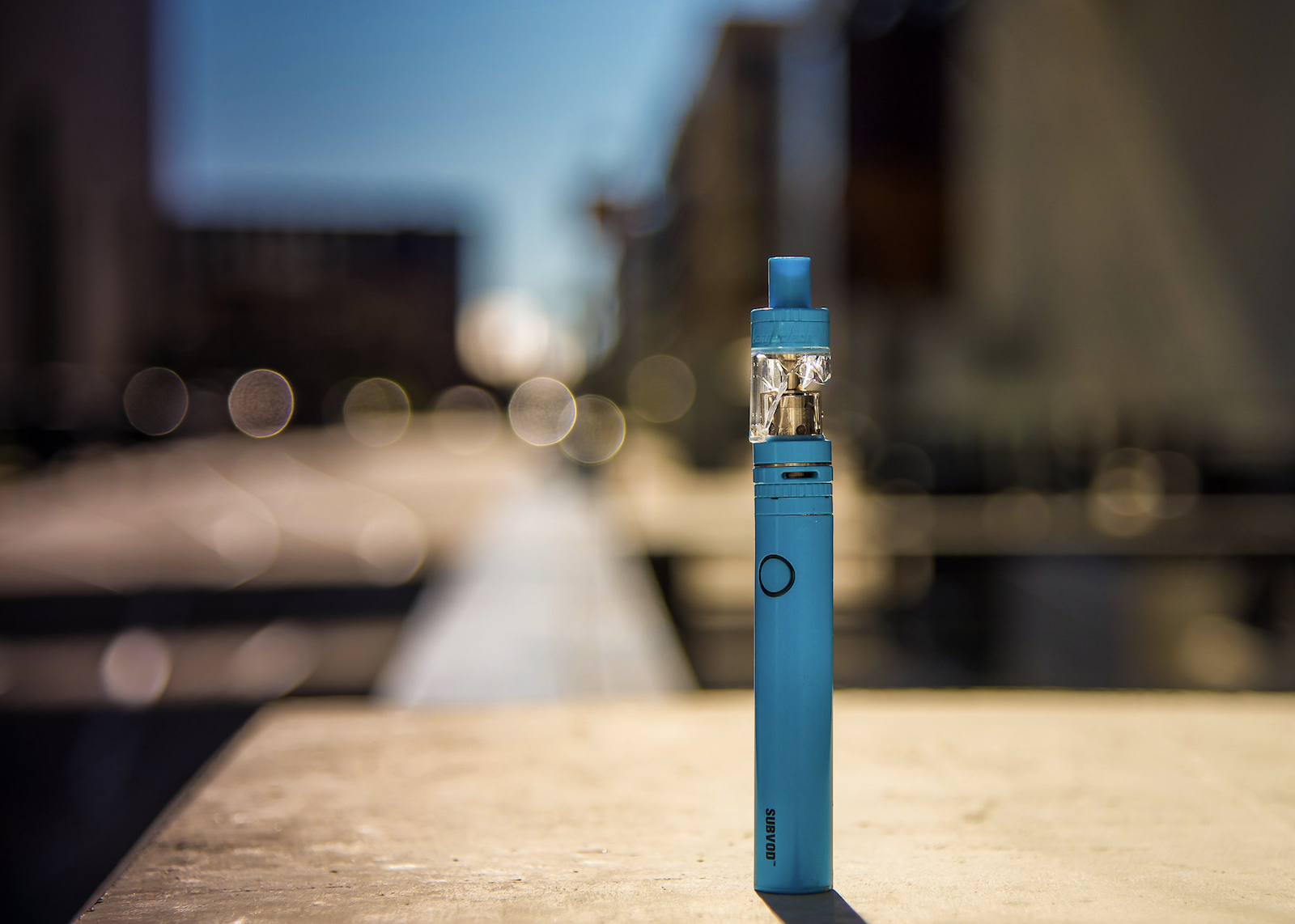
Photograph (cropped) by Vapes.com via Flickr/Creative Commons 2.0
The Influence Foundation, which operates Filter, formerly received a restricted grant from the Drug Policy Alliance. Filter‘s Editorial Independence Policy applies.