
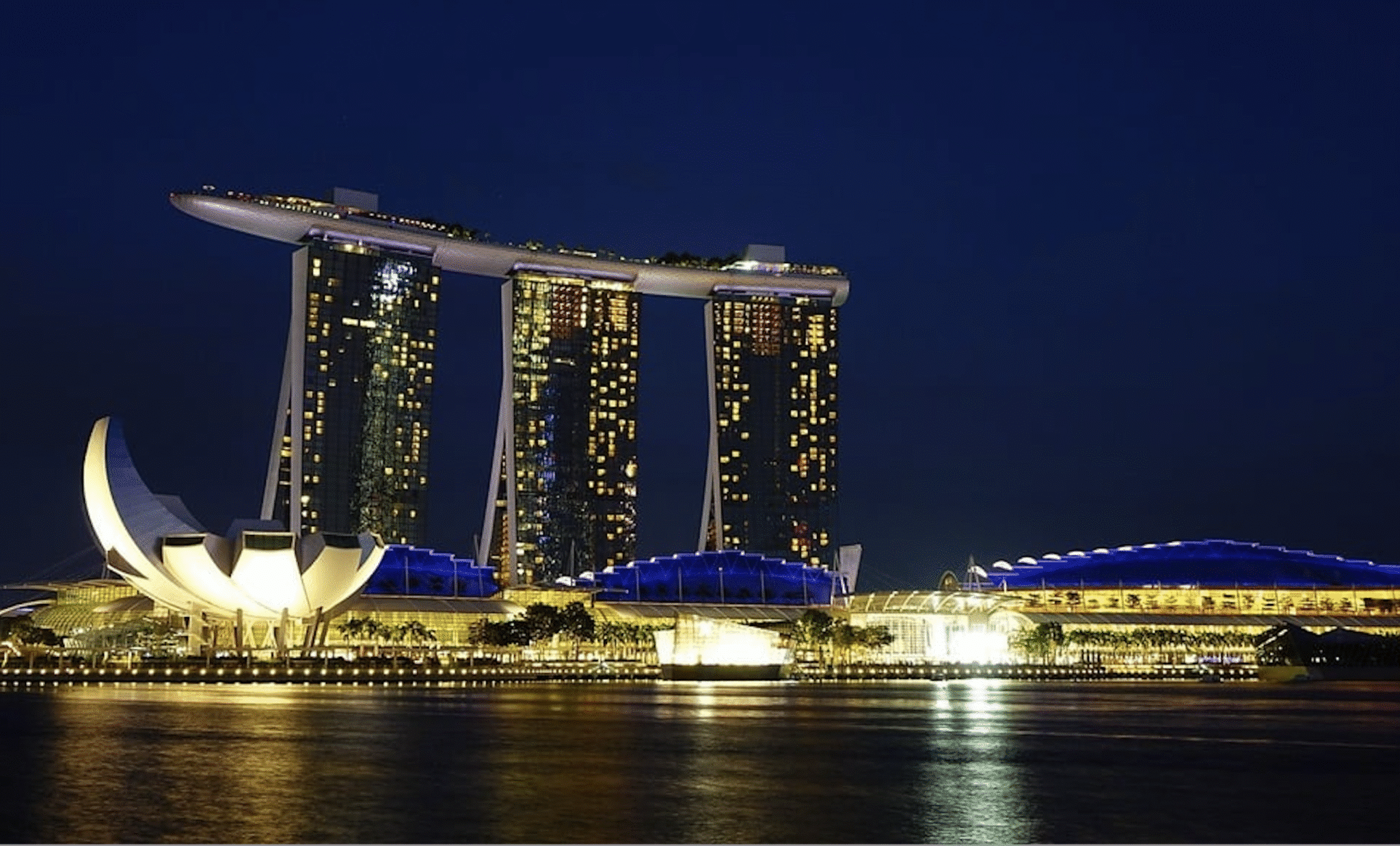
New legislation in Singapore will strengthen the country’s vape prohibition with threats of long prison sentences and caning—establishing perhaps the world’s harshest anti-vape laws.
Personal possession of vapes, whether or not they contain nicotine, has been banned in Singapore since 2018, under the Tobacco (Control of Advertisements and Sale) Act. But on March 6, Parliament passed an amendment that saw the original legislation renamed as the Tobacco and Vaporisers Control Act.
As the new name implies, the updated version pays special attention to vapes—increasing already-draconian penalties for possession, sale or smuggling. It also broadens the definition of “tobacco products” to include other substances with “nicotine-like effects.”
The fact that prohibition makes it far likelier that some e-liquids will be adulterated doesn’t seem to factor into government thinking.
The legislation, which takes effect on May 1, specifically targets certain vaping devices known locally as “Kpods.” These products have reportedly been found laced with etomidate—a drug used medically to induce anesthesia, but which Singapore authorities claim has caused seizures and psychosis when vaped.
The fact that prohibition cedes the vape market to unregulated operators, which makes it far likelier that some e-liquids will be adulterated, doesn’t seem to factor into government thinking.
Penalties around vapes containing “Specified Psychoactive Substances,” like etomidate and its analogs, are especially harsh. Anyone convicted of involving young or vulnerable people in importing or supplying such devices could now be sentenced to a maximum of 20 years in prison and 15 strokes of the cane—a brutal punishment still used in Singapore. Simply supplying the devices could mean up to 10 years in prison and five strokes of the cane. And mere possession could mean a large fine and a prison sentence of up to 10 years.
When it comes to nicotine (and other) vapes generally, personal possession can now result in a maximum fine equivalent to $7,800 US—an amount five times higher than before.
Anyone selling vapes can now receive a fine of up to $155,000 and a prison sentence of up to six years—12 times longer than previously. And importing vapes carries higher maximum punishments of a $232,000 fine and nine years in prison.
“I sadly think we may see the wave of prohibition inundate tobacco harm reduction policy in the near future in the region.”
Nancy Loucas, executive coordinator of the Coalition of Asia Pacific Tobacco Harm Reduction Advocates (CAPHRA), said that Singapore now has the most severe vape penalties in the region. She also fears a knock-on effect.
“I sadly think we may see the wave of prohibition inundate tobacco harm reduction policy in the near future in the region,” she told Filter.
Asa Saligupta, the director of advocacy group ENDS Cigarette Smoking Thailand, knows all about draconian vape policies. Selling or importing vapes has been banned in his country, with harsh punishments applied, since 2014. Law enforcement may also target people for possession. Accordingly, Thailand has sometimes been described as the worst country to be a vaper.
“Thailand had the strictest vape policies, but now I believe it is Singapore,” Saligupta told Filter, though he noted that importing vapes in Thailand could land you 10 years in prison—still a year longer than in Singapore.
So why do some countries in the Asia-Pacific region continue to double down on banning vapes in the face of many studies showing them to be the most successful smoking cessation products? Singapore suffers almost 2,000 smoking-related deaths each year; not a single death has ever been reliably attributed to regulated nicotine vaping products, which can replace cigarettes.
Saligupta called Singapore’s approach “totalitarian.”
Saligupta said the answer was simple: “Policymakers in the region don’t pay attention to scientific studies.”
“As an advocate who has seen and fought for the people’s right to vape for over a decade in Thailand, I would like to ask the Singaporean government to study the situation in Thailand,” he added, more in hope than expectation.
Referencing Thailand’s experiences of police corruption and extortion related to its vape ban, as well as the lost smoking-cessation opportunity, Loucas concluded that, “Prohibition always backfires, in terms of cost to lives, crime, health, community.”
Saligupta called Singapore’s approach “totalitarian.” While a reaction to adulterated vaping products might have sparked the latest legislation, the move attacks people who are seeking to make a potentially lifesaving switch, he said. “It is hard to understand why innocent people are being punished, who just want to quit smoking by choosing something that has been proven much safer.”
Photograph (cropped) via Picryl