

The New Hampshire Senate has defeated a House-passed bill to legalize marijuana—the latest blow for advocates in a years-long fight to end prohibition in the Granite State.
Weeks after members of the Senate Judiciary Committee rejected the legislation from Representative Jared Sullivan (D), deeming it inexpedient to legislate, the full chamber killed the proposal by approving a motion to table it in a 15-9 vote on March 5. The bill cleared the House earlier in 2026 on a 208-135 vote.
“Granite Staters overwhelmingly want cannabis legalized,” Senator Donovan Fenton (D) said ahead of the Senate vote. “This bill would provide roughly $60 million in revenue over three years, money that could help lower costs for New Hampshire residents and provide housing and strengthen services.”
If enacted, HB 186 would have legalized possession of up to 2 ounces of cannabis flower, 10 grams of concentrates and products with up to 2 grams of THC for adults over 21 years of age. They could also have grown six plants at home, three of which could have been mature.
Past cannabis possession convictions would have been vacated, and nondiscrimination protections for consumers would have been established, including for access to medical care, public benefits, child custody and government employment.
A new Cannabis Commission would have been established to license and regulate the marijuana industry, along with a Cannabis Advisory Board.
Sullivan’s bill is one of several cannabis proposals filed for the 2026 session. Governor Kelly Ayotte (R) has threatened to veto any legalization bill that reaches her desk.
Adult-use cannabis sales would have been taxed at 8.5 percent, with revenue split between program administration, municipalities, substance use programs, public safety agencies and the state general fund.
Localities across the state would have had ballot referendums asking voters if they wanted to opt in to allowing retail marijuana sales.
Sullivan’s legalization bill is one of several cannabis proposals filed for the 2026 session, including legislation from Rep. Jonah Wheeler (D) that seeks to put a constitutional amendment on the state ballot that would let voters decide if they want to legalize marijuana for adults 21 and older, allowing them to “possess a modest amount of cannabis for their personal use.” Members of the House Criminal Justice and Public Safety Committee took up that legislation in January.
Governor Kelly Ayotte (R) has already threatened to veto any legalization bill that reaches her desk, though the constitutional amendment proposal would not require gubernatorial action.
The governor said in August that her position on the reform would not change even if the federal government moved forward with rescheduling the plant. Since then, President Donald Trump has directed the attorney general to finalize the process of moving cannabis from Schedule I to Schedule III of the Controlled Substances Act.
“We know where it’s going to go. Let’s send a virtue signal,” Sullivan said in 2025. “Let them be the ones that are pissing off voters who care about this.”
At a committee meeting in 2025, Sullivan made a persuasive argument for advancing his legalization bill, pointing out that the House has repeatedly passed similar legislation and that the chamber should stand its ground, forcing the Senate and governor to again go on record with their opposition to a policy popular among voters.
“We know where it’s going to go. Let’s send a virtue signal,” Sullivan said. “Let them be the ones that are pissing off voters who care about this.”
In the Senate, the Judiciary Committee in January also took up a bill from Sen. Donovan Fenton (D) that would allow adults over the age of 21 to legally possess up to 4 ounces of cannabis in plant form and 20 grams of concentrated cannabis products, as well as other products containing no more than 2,000 milligrams of THC.
Meanwhile, the New Hampshire House in February approved a bipartisan bill to legalize the regulated use of psilocybin for medical purposes.
In June 2025, the New Hampshire Senate voted to scrap compromise legislation that would have lowered the state’s criminal penalty for first-time psilocybin possession while also creating mandatory minimum sentences around fentanyl.
As originally introduced, the legislation would have completely removed penalties around obtaining, purchasing, transporting, possessing or using psilocybin, effectively legalizing it on a noncommercial basis. However a House committee amended the bill before unanimously advancing it that March.
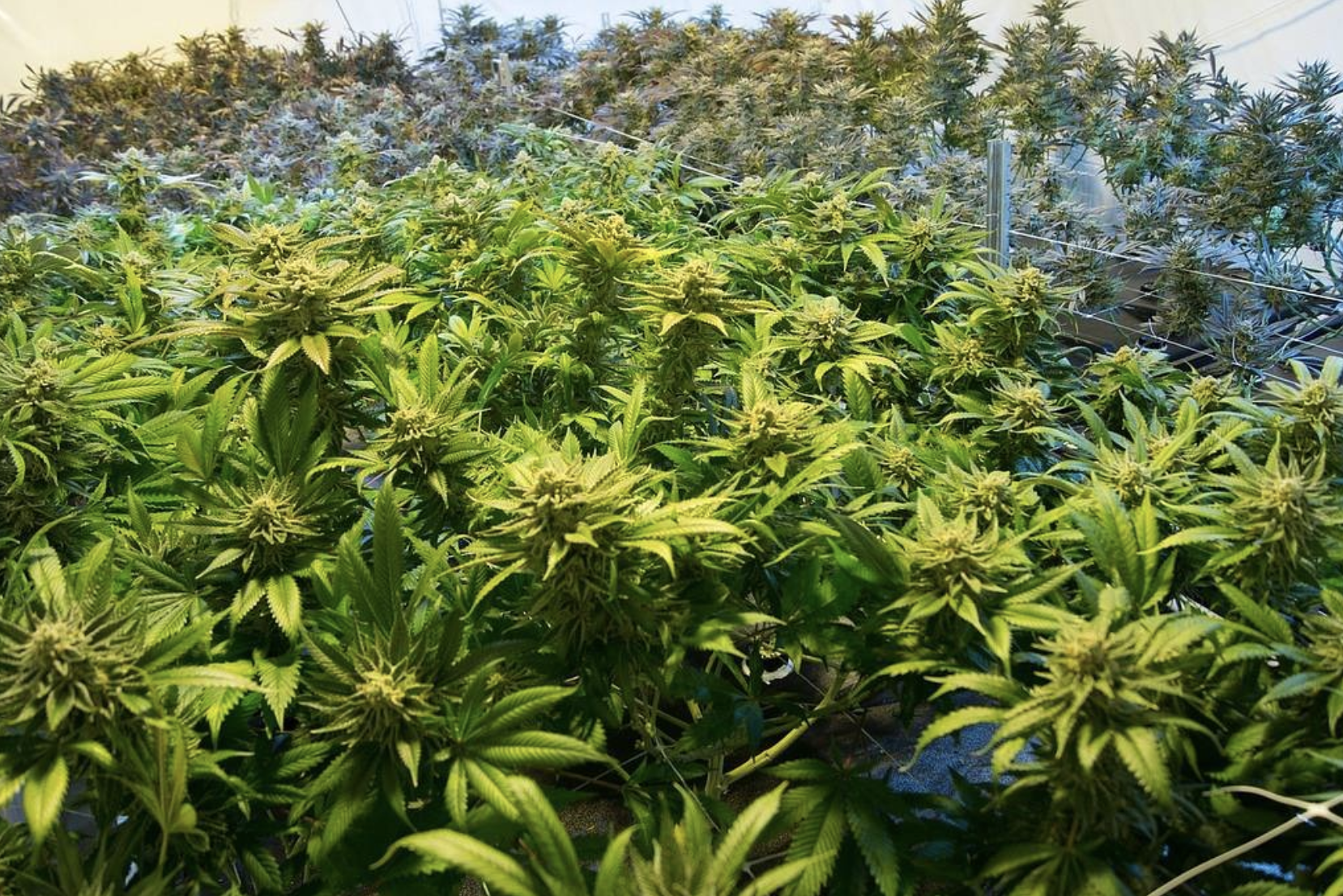
Photograph via Picryl/Public Domain
This story was originally published by Marijuana Moment, which tracks the politics and policy of cannabis and drugs. Follow Marijuana Moment on X and Facebook, and sign up for its newsletter.