
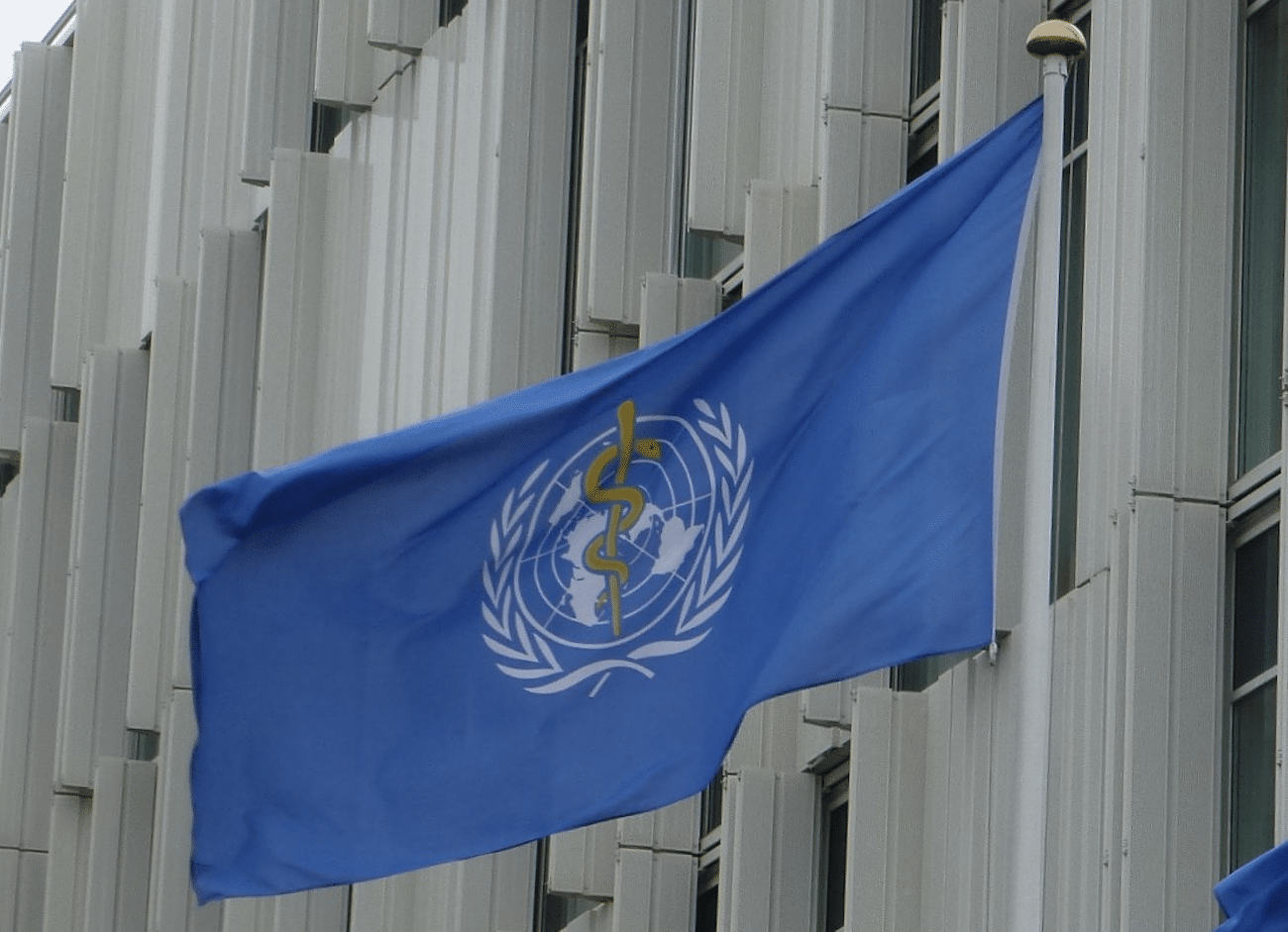
In November, COP11—the World Health Organization’s 11th Conference of the Parties to its Framework Convention on Tobacco Control (FCTC) treaty—will be held in Geneva. National delegations will discuss tobacco control policies, with profound implications for global public health. Amid the WHO’s longstanding hostility to tobacco harm reduction (THR), advocates fear the best result might just be avoiding further policy damage.
COP10, which was held in Panama in February 2024, provided a template. The worst potential outcomes from a THR perspective—like parties agreeing to more bans and restrictions on THR products such as vapes and pouches, or a formal redefinition of “smoke” under the FCTC to include vapor—were averted, though such threats will arise again at COP11.
COP10 also failed to move the dial on reducing the world’s 8 million annual smoking-related deaths. And part of the reason, advocates say, is that the voices of directly impacted people were silenced. Nicotine consumer groups, THR advocates and media were excluded from the talks, forestalling balanced discussion and coverage.
To people with lived experience of nicotine use and smoking, it felt like “everything about us without us.” Meanwhile, representatives of anti-THR groups like the Campaign for Tobacco-Free Kids flooded COP10.
“As always, the question arises as to what they have to hide.”
THR advocates anticipate more of the same at COP11. On September 23, the Coalition of Asia Pacific Tobacco Harm Reduction Advocates (CAPHRA) issued a press release condemning the impending conference, accusing it of “erecting deliberate barriers to prevent public participation.”
The critique refers to a convoluted registration system for members of the public who wished to attend—designed, CAPHRA said, to “exclude rather than include.” Applicants had to provide passport details, photos, a letter of intent and a comprehensive CV, among other requirements. And the complicated system only opened for a brief window in September—it closed on September 18—”despite being available since February,” CAPHRA stated.
“As always, the question arises as to what they have to hide,” Martin Cullip, a British THR advocate, told Filter. “If they truly believe their approach is the right one, surely they would be eager to show off their event?”
Organizational affiliation is unlikely to get you in, either. CAPHRA pointed to the fact that equivalent global climate change conferences “have granted observer status to over 3,000 non-governmental organizations.” In contrast, the FCTC “has approved just 26 NGOs for observer status,” and, “No consumer advocacy groups representing people who smoke or use safer nicotine products have ever been granted access.”
The WHO’s “worst-case scenario is to have people who have benefited from THR telling their stories and providing input on how safer nicotine products have helped them.”
Nancy Loucas, CAPHRA’s executive coordinator, believes this all stems from the WHO’s fear of not being able to push through its desired outcomes—such as stronger enforcement of vape bans in countries that have imposed them, and flavor bans, other restrictions and medical-only access in countries that currently permit consumer sales.
“If the goal is complete abstinence,” Loucas told Filter, the WHO’s “worst-case scenario is to have people who have benefited from THR telling their stories and providing input on how safer nicotine products have helped them.”
Loucas framed the main threat of COP11 as the conflation of smoking and nicotine use. “This is what they are trying to do,” she said. “They completely disregard the real killer of combustion—it’s a denialism of harm reduction.” A related threat she pointed to is the distortion of what harm reduction means: “If they define that as nicotine-free, then there’s a major problem.”
Cullip (who has written for Filter) said the COP11 agenda clearly shows an intent to undermine harm reduction. For instance, agenda item 4.5 is described as, “Implementation of measures to prevent and reduce tobacco consumption, nicotine addiction and exposure to tobacco smoke.”
The agenda attacks THR with a reference to “the tobacco industry’s narrative on ‘harm reduction’” as an area of concern.
“It is arguable that the use of nicotine products can reduce [smoking and tobacco] consumption and exposure,” Cullip said. “So this agenda item elevates nicotine addiction above the harms of tobacco.”
That agenda item also attacks THR with a reference to “the tobacco industry’s narrative on ‘harm reduction’” as an area of concern.
During COP10, Cullip and his employer, the Taxpayers Protection Alliance, hosted a counter-event in Panama called Good COP. In Geneva, they’ll be doing the same on a larger scale. With 38 expert speakers from 22 countries, the event aims to illustrate the wealth of evidence that making safer nicotine products available reduces harm.
“Unlike COP11, all are welcome to attend and watch,” Cullip said. The event will be live-streamed, and audience members are encouraged to ask questions.
Such efforts are designed to show COP11’s organizers that their closed-doors policy won’t prevent public scrutiny. But is there hope for what goes on inside the COP11 room?
There were certainly glimmers at COP10, when countries including New Zealand, the Philippines and Saint Kitts and Nevis made statements pushing back against the WHO’s narrative, and saying that THR should be part of the global tobacco control strategy. COP10 ultimately failed to reach the required consensus on multiple anti-THR proposals. In November, observers will be watching closely for a repeat.
“The approach in advance of COP11 is unsustainable, and parties to the convention should recognize that they are being gaslighted and raise their objections.”
“As far as New Zealand’s position at COP11, I am not entirely sure,” Loucas said of her home country, which has seen impressive public health outcomes after embracing vaping. “They tend to keep to themselves and do what they need to for NZ without raising their head above the parapet,” she said of the government’s approach. “It’s a very Kiwi way: Don’t make too much noise, and do what needs to be done without attracting too much attention.”
Cullip is more sanguine. Recalling how certain countries spoke up for THR in 2024, he said that for COP11, he’s “hopeful that more will be emboldened by those arguments and further emphasize to the WHO that it must change course for the good of public health.”
“This year, the agenda has been forced to include discussion on harm reduction against the wishes of the organizers,” Cullip noted. “They are trying to do so on their own terms, though, and attempting to portray it as an industry invention rather than a valid public health approach which is accepted by countries all over the world in many different policy areas.”
In order for the FCTC treaty to work in a meaningful way, it “needs to get back to basics” of focusing on smoking-related harm, Loucas said, and “stop being influenced by funders with their own agendas and put health first.”
Cullip agrees. “The approach in advance of COP11 is unsustainable,” he said, “and parties to the convention should recognize that they are being gaslighted and raise their objections.”
Photograph (cropped) by Leif Jørgensen via Wikimedia Commons/Creative Commons 4.0
The Taxpayers Protection Alliance previously provided a one-off donation to The Influence Foundation, which operates Filter, to support travel to a harm reduction event. Filter‘s Editorial Independence Policy applies.