
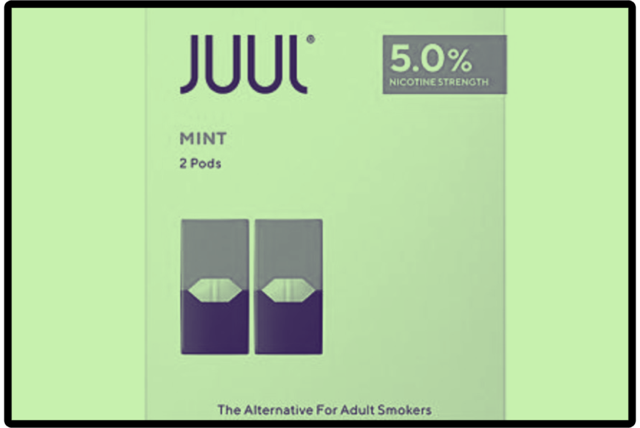
Well, well, well. On July 17, after five long years trying to prove what had already been proven—vapes are vastly safer than cigarettes and help people quit smoking, duh!—Juul finally got authorization from the FDA to sell its vaping devices.
The backstory to this long battle is the power, money and influence of a uniquely dangerous Tobacco Control cult, to which the 480,000 people who die from smoking in the United States each year are invisible. Without it, far fewer would die. FDA officials, politicians, “public health” groups and much of the medical community and mainstream media are among its bought-and-paid-for members.
It’s no longer smoking; instead, cult followers want to hasten the end of nicotine use. A nicotine-free world will never happen, but they need a drug to vilify and prohibit in order to remain relevant. And critically, to keep the spigot of money flowing—from billionaire Michael Bloomberg, the cult’s overlord, and from Master Tobacco Settlement payouts, funded by cigarette sales.
Lost in the stench of disinformation and moral panic is the revolutionary contribution of Adam Bowen and James Monsees to ending smoking. As students at Stanford they smoked cigarettes, and hated that they did. Both knew the risks, but enjoyed the benefits of nicotine. So they posed the question: “Why wasn’t there a way to enjoy nicotine without combustion that could save the lives of millions of smokers?”
The two men went on a decade-long quest to design a user-friendly tech solution. The result: Juul, a sleek, slim vape pen that was deliberately designed not to look like a cigarette, but was as easy to use. Because of their lived experience, Bowen and Monsees understood the key roles that nicotine strength and flavors play in making the switch.
Juul was the victim of a massive attack that is without precedent in its senselessness and hostility.
To date, Juul has helped over 2 million adults stop smoking in the US. That number comes from Juul, but it’s credible when independent evidence shows over a million US adults using vapes to quit smoking per year. The figure would be much higher if the Tobacco Control cult hadn’t mobilized to block access, ban flavors and try to bankrupt the company.
Juul was the victim of a massive attack that is without precedent in its senselessness and hostility. No other company making products that can save lives has been so successfully and publicly punished, humiliated and driven to the edge. Even coal and oil companies, health insurance corporations or Big Tobacco have largely avoided being so hammered in the media and the courts, despite campaigners’ efforts. State Attorneys General filed thousands of lawsuits against Juul. By the end of 2023, the company had paid out nearly $3 billion in legal settlements across the US.
The attack started after Juul’s “Vaporized” campaign launched in 2015. Colorful images and videos featured young people with a Juul, looking cool. The device was pitched as a fun, cutting-edge commodity that came in flavors like mango and cucumber and could help people stop smoking. The idea was it’s cool to Juul, not smoke.
In an era of social media, brand ambassadors and influencers, the campaign went viral—and was accused of targeting teens with flavors and then hooking them on nicotine salts. Monsees and Bowen heard the complaints and shut it down. Monsees said, “It [underage use] is an issue we desperately want to resolve. It doesn’t do us any favors. Any underage consumers using this product are absolutely a negative for our business. We don’t want them. We will never market to them. We never have. And they are stealing life years from adult cigarette consumers at this moment, and that’s a shame.”
Is a misguided product launch a reason to tear down a company that sells a lifesaving nicotine delivery device that millions depend on? No!
With youth smoking at an all-time low following the introduction of vapes, Tobacco Control organizations’ existence has come to depend on finding new enemies.
The follow-up marketing campaign, “Make the Switch,” featured powerful testimonials from people who smoked and transitioned to Juul. It didn’t matter; the attacks intensified. The truth is, no matter how Juul advertised its device, it would have been broadsided.
Tobacco Control organizations—like the Campaign for Tobacco-Free Kids and the Truth Initiative (new tagline: “Freedom from nicotine addiction”)—would have found a way to spin any promotion efforts and argue it encouraged youth vaping. With youth smoking at an all-time low following the introduction of vapes, their existence has come to depend on finding new enemies and launching a drug war against nicotine. Their disinformation crusade has continued even after a dramatic decline in teen vaping!
The Vaporized campaign set off a frenzy across the US and around the world that continues today. A key reason it was ignited has to do with race and class. The teen demographic that initially bought Juul skewed white and wealthy. Many lived in affluent communities in California and New York. The price of a starter kit could run $45, and a four-pack of pods $25. Which teens could afford that? Their stories were always going to be amplified over those of lower-income communities with high smoking rates.
Enter the entitled moms of Manhattan who founded PAVE (Parents Against Vaping E-cigarettes) in 2018. They were able to use their privilege to hire lawyers, utilize media connections, lobby state and federal lawmakers relentlessly to ban flavors, end vape sales in some cities and defame Juul.
The New York Times and other corporate media outlets took their cues from PAVE and Bloomberg, and dusted off the Reefer Madness playbook to unleash a drug panic. “Teen vaping epidemic” and “nicotine-addicted adolescent brain” stories were evidence-free clickbait. In one biased article after another, Times journalists became stenographers for the Tobacco Control cult. They abandoned both-sidesism, almost never quoted adult vapers, and ignored studies demonstrating the efficacy and safety of vaping nicotine.
Then “the paper of record” whipped up yet more alarmism during the misnamed E-cigarette or Vaping-Associated Lung Injury (EVALI) outbreak. About 68 people died from using THC vape cartridges adulterated with vitamin E acetate—not from nicotine vapes. The CDC willfully failed to make this critical distinction, and faced with this onslaught of misinformation, many people blamed Juul and other nicotine vape companies for the deaths.
The immense power of the Juul-triggered fenzy over teen vaping frenzy had a host of catastrophic knock-on effects, creating an Orwellian world of disinformation and doublethink.
It made it illegal to buy flavored vapes in most states and entire countries—and in some nations, illegal to buy any vapes at all—as the cigarette trade remained lucrative and legal. It drove mom-and-pop vape shops and e-liquid companies, many owned by people who’d smoked, out of business. Small neighborhood stores—staffed by experts in vaping and nicotine, vigilant about age verification and helping thousands of adults—were tragically wiped out.
Juul had a tagline, Smoking Evolved. But the landscape has now devolved in ways the founders could never have imagined.
It created a cesspool of junk science, spreading lies about nicotine and vaping with a veneer of authority. One study found that 82 percent of physicians in the US believe nicotine causes cancer. Dr. Stanton Glantz, a leading purveyor of junk science whose study linking vaping to heart attacks was retracted, denies evidence from the highly respected Cochrane Review showing vapes increase smoking quit rates.
It allowed the FDA to fuck with Juul for five years under its glacial Premarket Tobacco Product Applications process. In 2022, the agency banned Juul vapes from the market, issuing a marketing denial order asserting there wasn’t enough evidence regarding the products’ toxicological profile. It was a lie. Juul successfully appealed the ban in court, and the FDA had to reinstate its application for scientific review.
Juul had a tagline, Smoking Evolved. But the landscape has now devolved in ways the founders could never have imagined.
The juggernaut of the Juul teen-vaping frenzy changed the trajectory of the market. Instead of regulating, promoting, and making them legally available in a national network of community-based vape shops or other outlets, the US is filled with unregulated, disposable, flavored vapes, as consumers circumvent bans. It’s estimated that the illicit market sells 60 percent of all vapes in the US.
Geek Bar, Lost Mary and Raz have replaced Juul, which at its peak had a US vape market share of over 70 percent. The brands are wildly popular, the devices are easy to use, and berry bliss, rocket popsicle and Miami mint are among the flavors. But those who buy and sell these products are potentially criminalized.
The good news is millions of people have ignored the bans and switched to vaping. They are courageously practicing tobacco harm reduction in the midst of prohibition, to save their lives.
Without the Juul panic, far more people would have stopped smoking in the past five years. For the Tobacco Control cult, the lives of 480,000 Americans who die each year from smoking seem as disposable as the vapes.
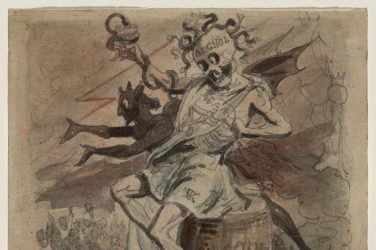
Image by Helen Redmond
The Influence Foundation, which operates Filter, formerly received donations from Juul Labs, Inc. Filter‘s Editorial Independence Policy applies.